Amherstburg Residents Voice Traffic and Parking Worries Over River's Edge Development
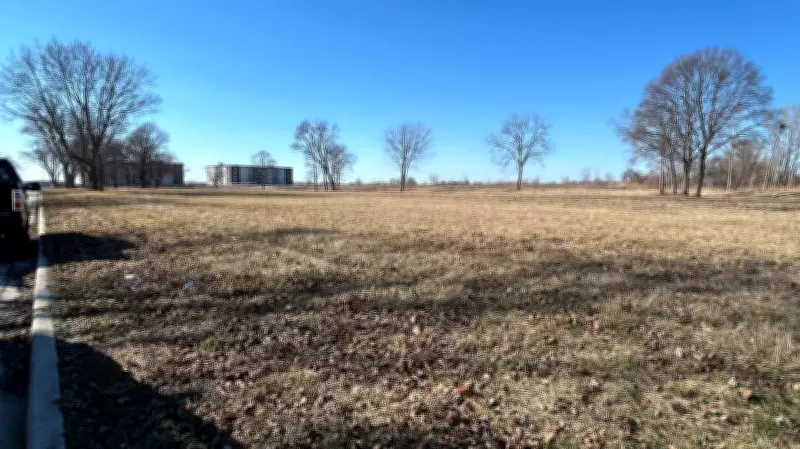
Local residents in Amherstburg are raising significant concerns about potential traffic congestion and parking shortages as a major housing expansion project moves forward. The Piroli Group has proposed building 48 new homes on nearly four hectares of currently vacant land located north of Brunner Avenue, adjacent to Front Road.
Community Apprehensions Over Infrastructure Impact
Many Amherstburg citizens fear that the River's Edge development will strain existing infrastructure, particularly regarding vehicle flow and parking availability in the surrounding neighborhood. The addition of dozens of new households is expected to bring more vehicles to area roads, potentially creating bottlenecks during peak hours.
Residents have expressed worries about:

- Increased traffic volume on Brunner Avenue and connecting streets
- Insufficient parking provisions for both residents and visitors
- Potential safety hazards for pedestrians and cyclists
- The strain on local services and utilities
Development Details and Municipal Context
The proposed development represents a substantial residential expansion for Amherstburg, transforming vacant land into a new community of nearly fifty homes. This project comes amid broader discussions about growth management in the region, balancing housing needs with infrastructure capacity.
Local officials are expected to review the proposal carefully, considering both the economic benefits of new construction and the legitimate concerns raised by current residents. The planning process will likely involve traffic studies, parking assessments, and community consultations to address these issues before any construction begins.
Broader Implications for Amherstburg
This development debate highlights the challenges many communities face when expanding residential areas. As Amherstburg grows, finding solutions that accommodate new housing while maintaining quality of life for existing residents becomes increasingly important. The outcome of this particular project may set precedents for how future developments are evaluated and approved in the region.
The concerns raised by Amherstburg residents reflect common tensions in developing municipalities, where the need for additional housing must be balanced against infrastructure limitations and community character preservation.