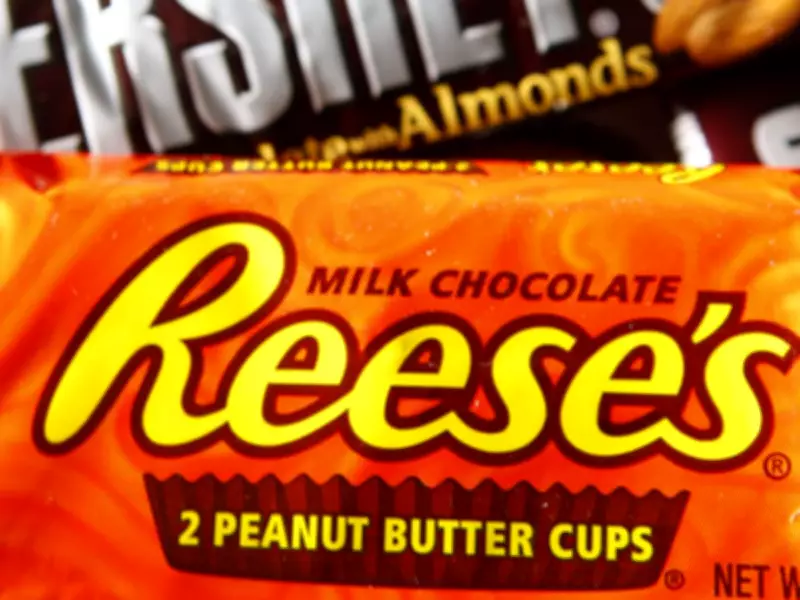
In a significant reversal for one of America's most iconic candy companies, Hershey has announced it will return to using classic milk and dark chocolate recipes across its entire Reese's product line. The decision comes after months of public criticism from Brad Reese, grandson of the Reese's Peanut Butter Cups inventor, who accused the company of compromising product quality.
Public Pressure Forces Recipe Reversal
The controversy reached a boiling point when Brad Reese penned an open letter to Hershey's corporate brand manager on Valentine's Day, expressing his frustration with what he described as inferior ingredient substitutions. "My grandfather, H. B. Reese, built Reese's on a simple, enduring architecture: Milk Chocolate + Peanut Butter," Reese wrote. "How does The Hershey Company continue to position Reese's as its flagship brand while quietly replacing the very ingredients that built Reese's trust in the first place?"
'It Was Not Edible'
Reese's criticism stemmed from his experience with Reese's Mini Hearts, a special Valentine's Day product that he found particularly disappointing. "It was not edible," Reese stated at the time. "You have to understand — I used to eat a Reese's product every day. This is very devastating for me." His public complaints highlighted a growing concern among loyal customers about Hershey's use of chocolate compound coatings instead of real milk chocolate in some products.

Hershey's Timeline for Change
According to company announcements, Hershey plans to complete the transition back to classic milk chocolate and dark chocolate recipes by 2027. Starting next year, candies inspired by the originals — including mini Reese's cups and shapes, along with the Reese's Fast Break — will be made with real milk chocolate instead of the coating containing less chocolate.
Hershey CEO Kirk Tanner told Bloomberg that the classic Hershey's chocolate bars will also return to "pure milk and dark chocolate," while the Kit Kat bar will receive enhancements "for a creamier taste and texture." The company additionally plans to increase research and development funding by 25% next year.
Corporate Response vs. Family Criticism
Tanner insisted the return to real chocolate was part of the company's strategic plan long before Reese went public with his complaints. "Right when I started with the company, we did a deep dive across our portfolio," Tanner explained. "We're going to make some small investments to really align the portfolio to what the brand stands for. That consistency is important across the brand."
However, Brad Reese remained skeptical of Hershey's corporate narrative. "You know when this became an issue? Valentine's Day," he told NBC News. "If this is true, the people who deserve the credit are the loyal fans who were alarmed by what Hershey was doing." Reese identified "a lot of red flags" with Hershey's announcement and suggested the company might be attempting to "change the PR narrative."
Broader Industry Context
The Hershey controversy emerges amid broader challenges in the confectionery industry, including supply chain issues and changing consumer preferences. Recent industry developments have included Nestle reporting the theft of 413,793 KitKat candy bars during shipment in Europe, Mondelez Canada discontinuing Jersey Milk chocolate bars, and Lindt stockpiling chocolate in Canada amid tariff uncertainty.
As Hershey moves forward with its recipe restoration, the company faces the dual challenge of rebuilding consumer trust while maintaining profitability in a competitive market. The return to classic formulas represents both a response to public pressure and a strategic repositioning of one of America's most beloved candy brands.