

British Columbia's Food Security at Risk in Fight to Preserve 'A Little Piece of California'
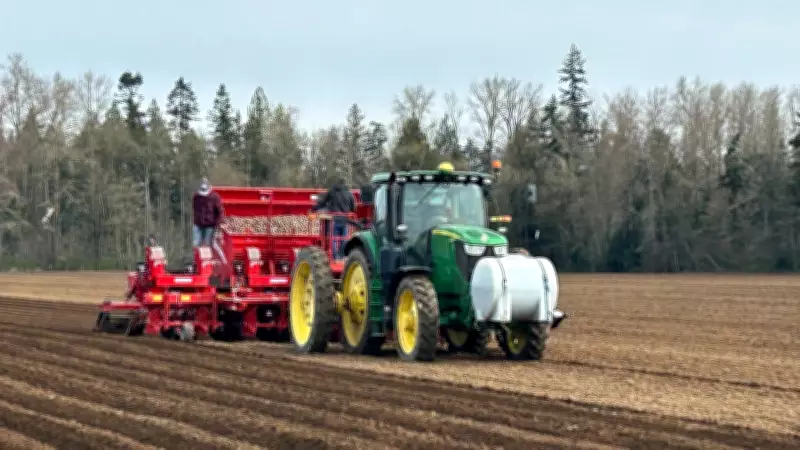
The agricultural landscape of British Columbia is facing a critical juncture as food security concerns escalate across the province. Experts and farmers are sounding alarms about the potential loss of what many describe as 'a little piece of California' – prime agricultural land that plays a vital role in local food production. This unique region, with its favorable climate and fertile soil, has become a battleground for preservation efforts against urban development and environmental pressures.
The Precious Agricultural Heritage Under Threat
British Columbia's agricultural sector, particularly in regions with microclimates reminiscent of California, contributes significantly to the province's food independence. These areas produce a diverse range of crops that are essential to local markets and restaurants. However, rapid urbanization, climate change impacts, and competing land uses are placing unprecedented strain on these valuable farming lands. The situation has reached a point where agricultural advocates are mobilizing to protect what remains of this precious resource.
The fight to preserve these agricultural zones involves multiple stakeholders, including farmers, environmental groups, and government agencies. They emphasize that losing this 'little piece of California' would have far-reaching consequences for British Columbia's food security, potentially increasing reliance on imported produce and undermining local sustainability initiatives. The unique growing conditions in these areas allow for cultivation of specialty crops that are difficult to produce elsewhere in Canada.

Economic and Environmental Implications
The potential loss of these agricultural lands extends beyond immediate food production concerns. Economically, British Columbia's agricultural sector provides thousands of jobs and contributes substantially to the provincial economy. Environmentally, these working lands offer important ecosystem services, including carbon sequestration, water filtration, and habitat preservation. Their conversion to other uses could exacerbate environmental challenges while diminishing the province's agricultural resilience.
Food security experts warn that without decisive action, British Columbia could see a significant reduction in its ability to feed its own population. This comes at a time when global supply chain disruptions and climate-related agricultural challenges are making local food production more important than ever. The preservation of these California-like agricultural zones represents not just an environmental or economic issue, but a fundamental question of community resilience and self-sufficiency.
Pathways to Preservation and Sustainability
Several strategies are being proposed to address this growing crisis:
- Enhanced land protection policies that prioritize agricultural preservation in zoning decisions
- Financial incentives for farmers to maintain agricultural operations on valuable lands
- Urban agriculture initiatives that complement rural food production
- Public education campaigns about the importance of local food systems
- Collaborative planning between agricultural, environmental, and development interests
The situation in British Columbia reflects broader challenges facing agricultural regions across Canada and North America. As climate patterns shift and development pressures increase, the preservation of productive farmland becomes increasingly urgent. The 'little piece of California' in British Columbia serves as both a warning and an opportunity – a chance to demonstrate how communities can balance growth with food security and environmental stewardship.
With proper planning and committed action, British Columbia has the potential to protect its agricultural heritage while building a more sustainable food system for future generations. The outcome of this preservation fight will likely influence agricultural policy and food security strategies across the country for years to come.






