U.S. Travel Boycott Delivers Severe Blow to Canadian Duty-Free Stores
Duty-free stores across Canada are experiencing a severe financial crisis as a travel boycott to the United States continues to dramatically reduce cross-border traffic. According to industry representatives, some businesses have seen their revenues plummet by as much as 50%, creating extreme pressure on small, often family-run operations in border communities.
Steep Decline in Cross-Border Travel
The Frontier Duty Free Association, representing Canada's 31 land border duty-free stores, held a press conference in Ottawa to highlight the dire situation. "This decline is hitting land border duty free stores immediately," said Barbara Barrett, executive director of the association. "Our members can only sell to travellers leaving Canada, which means when traffic declines, revenues decline with it."
Statistics Canada's latest travel data reveals the extent of the problem. In January, trips to the U.S. by Canadian residents decreased by 22% compared to the same month the previous year. Of the 2.1 million total trips recorded that month, only 1.3 million were made by automobile, representing just 26.3% of all travel.

Thirteen Consecutive Months of Decline
January marked the thirteenth consecutive month of year-over-year declines in cross-border travel to the United States. Barrett reported that for many duty-free businesses, revenues have fallen between 40% and 50%, with even steeper declines occurring at smaller or more remote border crossings.
The situation is particularly challenging because these federally regulated, licensed, export-only businesses operate under the oversight of the Canada Border Services Agency and have no domestic market to fall back on. "There is no way for these stores to pivot their business," Barrett emphasized. "Across the country, stores are seeing severe impacts."
Structural Disadvantages and Competitive Challenges
While Barrett described the downturn in cross-border travel as "temporary" rather than structural—attributing it to external pressures such as political tension and trade friction—she noted that Canadian duty-free businesses face significant disadvantages compared to their American competitors.
"Duty free stores represent the final opportunity to keep dollars in Canada that would otherwise be spent in the United States," Barrett explained. "When these businesses are competitive, that spending stays here; when not, it goes directly to the U.S."
The association has identified structural tax disadvantages and inconsistent treatment compared to other Canadian export channels as key issues. They have already presented potential solutions to the federal government, seeking measures that would help level the playing field with U.S. competitors.
No Alternative Revenue Streams
Unlike many retail businesses that can adapt to changing market conditions, duty-free stores have no alternative channels to offset their losses. Their entire business model depends exclusively on cross-border traffic into the United States, making them uniquely vulnerable to travel boycotts and border restrictions.
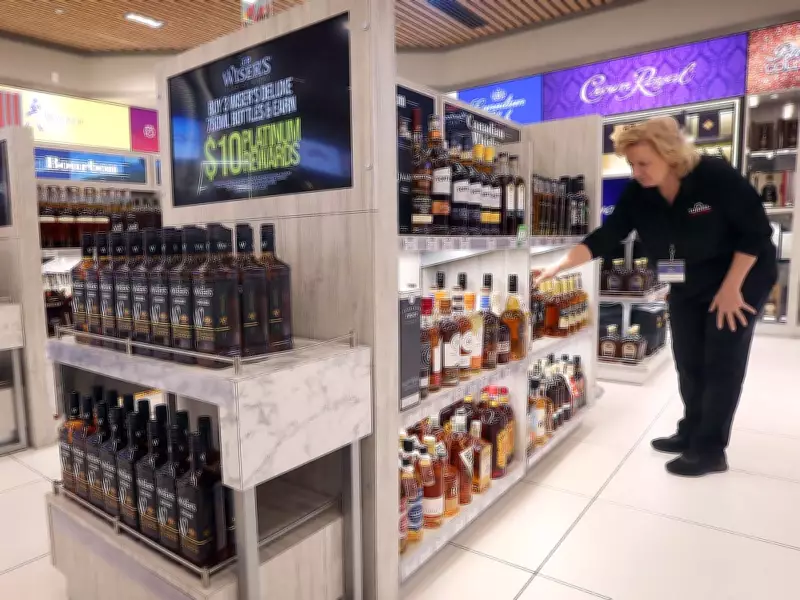
The situation at the Tunnel Duty Free Shop in Windsor, where sales supervisor Liz Bucar works, exemplifies the challenges facing these businesses. As one of many small Canadian businesses operating at land borders, it faces an uncertain future while waiting for cross-border travel patterns to normalize.