

Congress Takes Aim at Prediction Markets in Online Gambling Crackdown
In a significant bipartisan move, members of Congress have introduced multiple proposals to outlaw "prediction market" betting, targeting wagers on sports and global events. This action comes as the online gambling industry experiences explosive growth, fueled by a 2018 Supreme Court decision that struck down federal restrictions on professional sports betting.
Rapid Expansion of Gambling Sparks Legislative Response
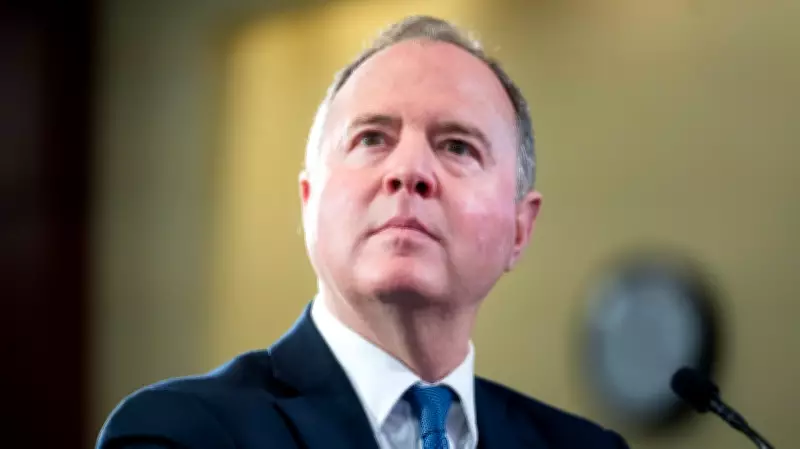
Since the 2018 ruling, annual sports betting in the United States has skyrocketed from $7 billion to $167 billion, according to industry reports. Prediction markets have further expanded this landscape, allowing bets on elections and conflicts, prompting lawmakers like Sens. Adam Schiff (D-Calif.) and John Curtis (R-Utah) to introduce legislation on Monday. Schiff expressed bipartisan concern, stating, "This is just spiraling out of control. There is a tremendous amount of concern about where this is heading, how easily it can be manipulated, and how vast the expansion will be of gambling."
Multiple Bills Target Different Aspects of Prediction Markets
The Schiff-Curtis bill follows similar efforts, including a proposal last week by Sen. Chris Murphy (D-Conn.) and Rep. Greg Casar (D-Texas) to ban wagering on events where outcomes are known or controlled. This was inspired by suspicious bets on platforms like Kalshi and Polymarket that seemed to anticipate U.S. actions in the Iran war. Additionally, a House bill introduced Tuesday seeks to restrict federal officials from participating in prediction markets.

Rep. Casar highlighted public confusion, noting, "There's just been instance after instance where people in my community and folks all throughout this building go, 'Isn't that already illegal? How is this even possible?'"
Regulatory Loopholes and Industry Backlash
Under the Trump administration, the Commodity Futures Trading Commission (CFTC) allowed companies like Kalshi to circumvent state sports gambling laws by selling "event contracts" based on outcomes such as sports games or political events. A Kalshi spokesperson criticized the Schiff-Curtis bill, claiming it is "motivated by casino interests that are threatened by competition" and prioritizes monopolies over consumer protection.
Experts like Steven Light, a gambling law professor, identified potential beneficiaries of a crackdown, including casinos, state-regulated platforms like DraftKings, Native tribes, state governments, and sports leagues struggling with integrity scandals. Light noted, "Major league sports and the NCAA are struggling to contain these sports wagering scandals, dealing with game and player integrity issues."
State Rights and Public Health Concerns
The CFTC's interpretation of the Commodities Exchange Act has sparked lawsuits and congressional action, as it undermines state regulatory powers won in the 2018 Supreme Court decision. Sen. Curtis, from gambling-prohibited Utah, emphasized, "It's a core Utah value. I'm very concerned if they try to take that regulating ability away."
Meanwhile, public health advocates warn of a crisis, with the American Psychiatric Association classifying "gambling disorder" alongside addictions to substances like heroin. Rep. Paul Tonko (D-N.Y.) highlighted the targeting of vulnerable youth, stating, "It's a public health crisis that needs to be addressed. The targeting of young people has grown expeditiously, and we've seen consequential damage."
Future Legislative Actions and Industry Response
Despite bipartisan interest, immediate congressional action is uncertain, with bills lacking hearings or votes. However, companies like Kalshi and Polymarket have announced steps to curb insider trading amid the legislative flurry. Sen. Schiff urged action, saying, "Congress really needs to act. This is all being done without any thought, by an end run around the law."
As the debate continues, the focus remains on balancing industry growth with regulatory oversight and public health protections in an increasingly omnipresent gambling landscape.






