Barrie Homeowners Face Critical Winter Decision: When to Clear Snow from Roofs
As winter tightens its grip on Barrie, homeowners are confronting a crucial seasonal question: when should accumulated snow be cleared from residential roofs? This decision carries significant weight, balancing safety concerns against the risks of improper removal techniques that could damage roofing materials or compromise structural integrity.
The Science Behind Snow Loading and Structural Stress
Roof failures during winter months typically occur when snow accumulation exceeds a structure's designed load capacity. The weight of snow varies dramatically depending on moisture content—light, fluffy snow might weigh just 1-3 pounds per cubic foot, while wet, compacted snow can reach 20 pounds per cubic foot or more. This means that what appears to be a manageable layer could actually be placing dangerous stress on roof supports.
Building codes in Ontario establish minimum load requirements, but these standards represent baseline safety levels rather than optimal performance thresholds. Older homes, particularly those with flat or low-pitched roofs, face elevated risks during extended periods of heavy snowfall like those Barrie frequently experiences.

Recognizing the Warning Signs of Potential Roof Failure
Homeowners should remain vigilant for several indicators that snow accumulation may be approaching dangerous levels:
- Visible sagging or deformation of roof lines
- Unusual creaking or popping sounds from the structure
- Difficulty opening doors or windows that previously operated smoothly
- Cracks appearing in interior walls or ceilings
- Water stains or leaks that develop during thaw periods
These symptoms suggest that the roof structure is under significant stress and requires immediate attention from qualified professionals.
Strategic Timing for Safe Snow Removal
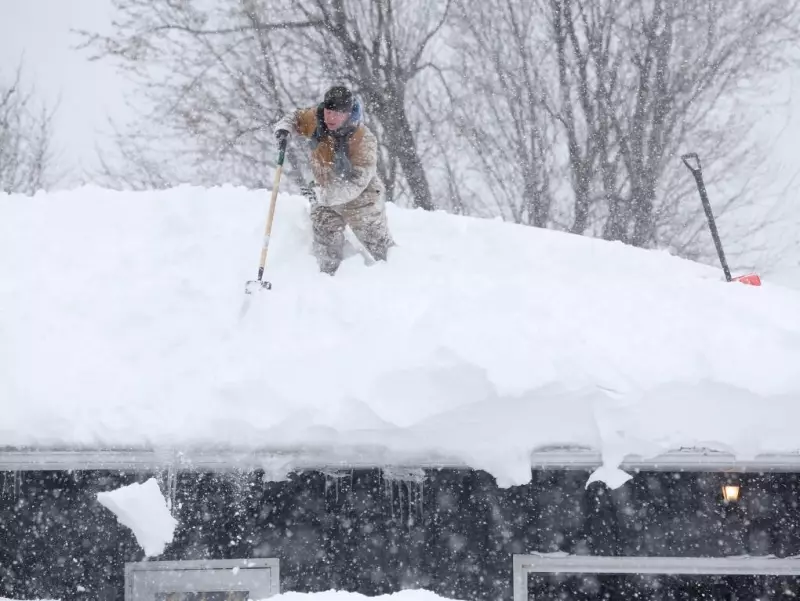
Experts recommend proactive snow removal before accumulation reaches critical levels, typically when snow depth exceeds 12-18 inches on flat roofs or when icicles and ice dams begin forming along eaves. The ideal approach involves:
- Regular monitoring during and after significant snowfall events
- Partial clearing to reduce weight while leaving a protective layer
- Professional assessment for roofs with known structural concerns
- Proper equipment use with plastic shovels or roof rakes to prevent damage
Timing removal during daylight hours with moderate temperatures reduces risks associated with slippery surfaces and provides better visibility for identifying potential problem areas.
Understanding the Risks of Improper Snow Removal
While clearing snow addresses immediate weight concerns, improper techniques can create additional hazards:
- Scraping or gouging roofing materials, compromising waterproofing
- Damaging gutters, downspouts, or roof-mounted equipment
- Creating uneven loading that stresses specific structural elements
- Personal injury risks from falls or overexertion
Many homeowners benefit from consulting with licensed roofing contractors who understand local building requirements and can recommend appropriate removal strategies tailored to specific roof designs and conditions.
Long-Term Considerations for Barrie Homeowners
Beyond immediate snow removal decisions, property owners should consider structural reinforcements or design modifications that enhance snow-shedding capabilities. Options include installing heating cables along eaves to prevent ice dam formation, increasing roof pitch during renovations, or adding supplementary support structures in vulnerable areas.
Regular roof inspections, particularly before winter onset, help identify potential weaknesses before they become critical during heavy snowfall. These preventative measures represent prudent investments in property protection and occupant safety throughout Barrie's challenging winter seasons.
As climate patterns evolve and extreme weather events become more frequent, understanding proper snow management techniques grows increasingly important for maintaining residential structural integrity across Simcoe County and throughout Ontario's snowbelt regions.