Metro Vancouver Takes Proactive Steps to Prevent Water Infrastructure Catastrophe
Metro Vancouver is implementing comprehensive monitoring measures for specific water mains constructed with pre-stressed concrete cylinder pipe, the same material that has catastrophically failed twice in Calgary within the past 18 months. These failures plunged the Alberta city into severe water restrictions and necessitated hundreds of millions of dollars in infrastructure repairs.
Coquitlam's Similar Infrastructure Raises Concerns
Approximately 3.8 kilometres of Metro Vancouver's water distribution system, primarily located in Coquitlam, utilizes pre-stressed concrete cylinder pipe identical to the problematic sections in Calgary. While the vast majority of Metro's 520-kilometre network of large-diameter water mains consists of more durable steel pipes, the concrete sections have become a priority for regional water officials.
"Metro Vancouver is assessing the expert panel report provided to Calgary council in early January and incorporating relevant recommendations into our ongoing maintenance and inspection programs," stated Daniel Roberge, deputy general manager of operations for water services, in correspondence with media outlets.

Calgary's Costly Water Main Failures
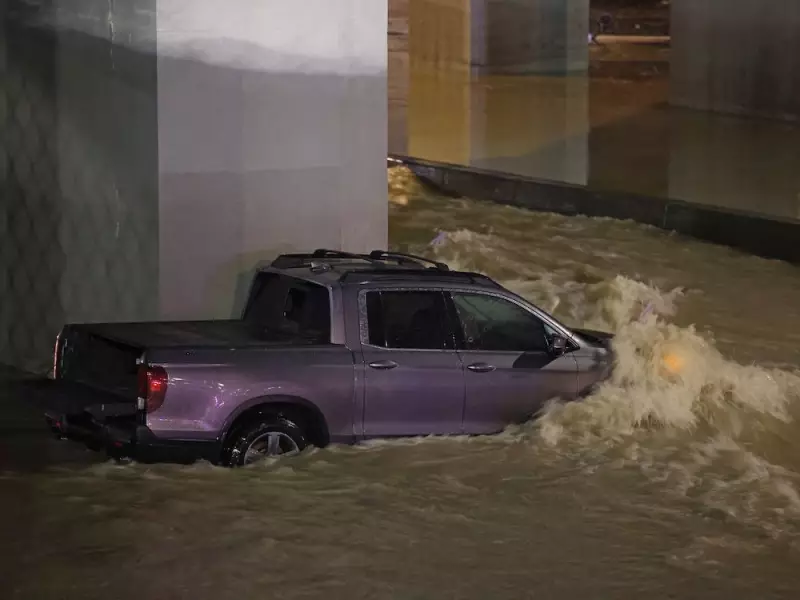
The December 2025 rupture in Calgary created dramatic scenes as roads buckled and flooded, trapping approximately 10 vehicles in rapidly rising water. This incident followed a similar failure in June 2024, prompting city officials to urgently request residents to reduce water consumption through shorter showers, less frequent toilet flushing, and limited use of washing machines.
Calgary Mayor Jeromy Farkas described the replacement project for the approximately six-kilometre damaged section as a "mega-project" requiring hundreds of millions of dollars and at least one year to complete.
Technical Vulnerabilities of Pre-Stressed Concrete Pipes
Pre-stressed concrete cylinder pipes consist of a concrete cylinder reinforced with steel wires under tension. These wires become vulnerable to corrosion over time, particularly when exposed to environmental factors like road salt containing sodium chloride. When multiple wires break, the structural integrity of the pipe can fail completely.
Investigations into Calgary's initial failure identified sodium chloride as a contributing factor. The chemical exacerbated corrosion processes in microcracks within the concrete surrounding the pipes, causing the steel reinforcement wires to snap under stress.
Metro Vancouver's Proactive Response Strategy
Metro Vancouver's water committee has placed the monitoring of these concrete pipes on its immediate agenda. The regional authority plans to establish a monitoring program similar to Calgary's, with technical inspections scheduled for completion by fall 2026.
"Metro Vancouver has a robust process in place for inspecting, monitoring, maintaining and upgrading its system to minimize this risk of leaks and ensure the region consistently receives high-quality drinking water," emphasized Roberge. "In the event of a leak or break, Metro Vancouver has highly trained staff who are available to deal with urgent issues and repairs."
Advanced Monitoring Techniques and Safety Margins
One innovative monitoring technique being considered involves acoustic technology that detects the distinctive pinging sound created when steel reinforcement wires break within the concrete pipes. This method allows for early identification of potential failures before catastrophic ruptures occur.
Several factors suggest Coquitlam's infrastructure may have greater resilience than Calgary's:

- Coquitlam's pipes were installed in the early 1990s, approximately 15 years newer than Calgary's 1975 installations
- Vancouver's milder climate results in significantly less road salt application, reducing corrosion risks
- The pipes remain within their expected operational lifespan according to current assessments
While no immediate replacement plans exist for the concrete sections, officials acknowledge this position could change following the comprehensive inspection scheduled for later this year. The regional authority's proactive approach aims to prevent the type of water infrastructure crisis that has significantly impacted Calgary's residents and municipal budget.