

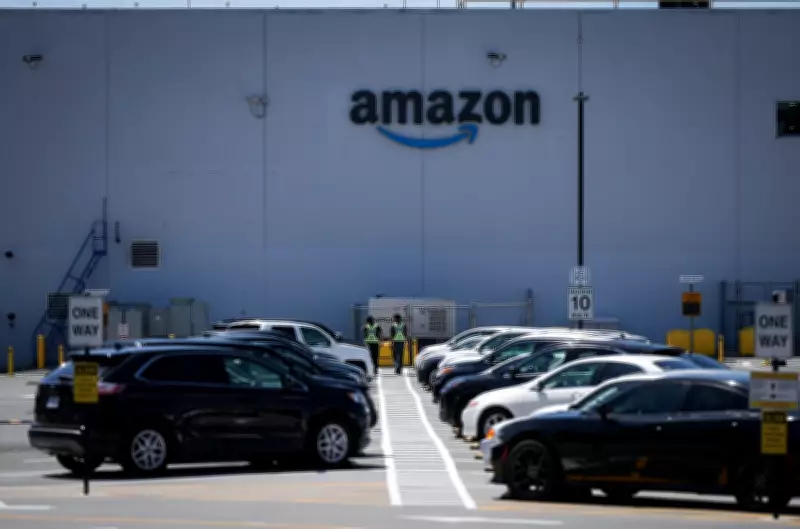
Amazon Found in Violation of Labor Code for Excluding Unionized Workers from Pay Increase
The British Columbia Labor Relations Board has determined that Amazon breached provincial labor regulations by implementing a selective wage increase that excluded workers at a union-certified facility in Delta, B.C. This decision comes after a complaint filed by Unifor, the union representing employees at the YVR2 fulfillment center.
Details of the Labor Board Ruling
According to the board's findings, Amazon increased pay for workers at multiple facilities in the Lower Mainland region last year but deliberately omitted employees at the Delta warehouse, which had recently unionized. This action was deemed a violation of the B.C. Labor Code, which prohibits discriminatory practices based on union membership. The board has ordered Amazon to provide a retroactive wage increase to the affected workers, compensating them for the period during which they were unfairly excluded from the pay raise.
Union Response and Broader Implications
Unifor has hailed the ruling as a significant victory for labor rights, emphasizing that it reinforces the legal protections for unionized workers against discriminatory treatment by employers. The union argues that this case highlights ongoing challenges in ensuring fair labor practices within large corporations like Amazon, particularly in the rapidly growing e-commerce and logistics sectors. This decision may set a precedent for similar disputes in other jurisdictions, potentially influencing how companies structure compensation policies in relation to unionized and non-unionized workforces.

Amazon's Position and Future Compliance
While Amazon has not issued a detailed public statement regarding the ruling, the company is expected to comply with the board's order to implement the retroactive pay adjustments. This incident underscores the increasing scrutiny on corporate labor practices in Canada, especially as unions gain traction in traditionally non-unionized industries. Observers note that such rulings could prompt Amazon and other multinational firms to review their wage policies to avoid future legal challenges and maintain positive labor relations.
The B.C. Labor Relations Board's decision serves as a reminder of the importance of equitable treatment in the workplace, ensuring that all employees, regardless of union status, receive fair compensation. As the case concludes, it remains to be seen how this ruling will impact Amazon's operations and labor strategies moving forward in British Columbia and beyond.






