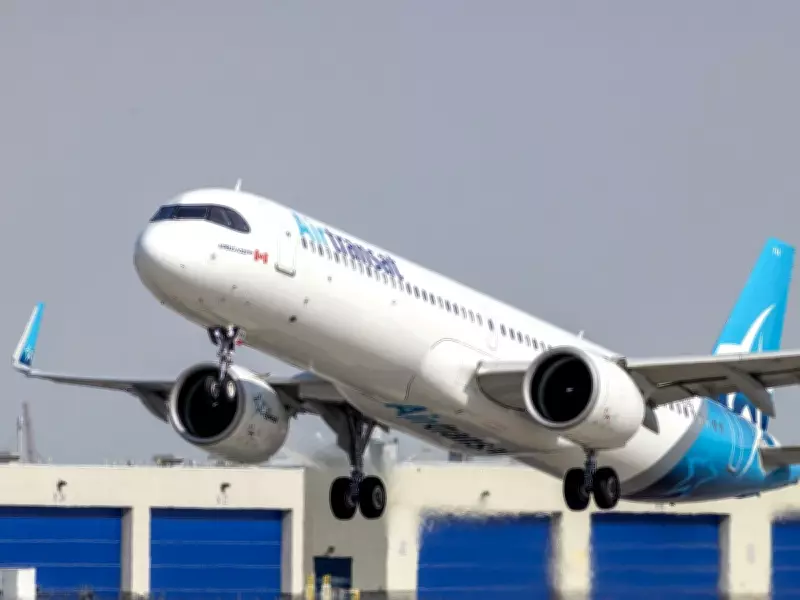
A recent labour arbitration ruling has confirmed that Air Transat cabin crew members cannot consume cannabis on their personal time due to safety risks. The decision, issued by arbitrator Nathalie Massicotte, is believed to be the first of its kind in Canada and is expected to influence other airlines with similar policies.
Background of the Decision
Since Canada legalized cannabis in 2018, airlines have grappled with whether they can prohibit employees in safety-sensitive roles from using the drug off-duty. Air Transat implemented a policy shortly after legalization banning certain employees, including flight and cabin crew, from consuming cannabis at any time, even during days off. The policy was challenged by the Canadian Union of Public Employees (CUPE) local representing flight attendants and service directors.
Arbitrator's Reasoning
In her ruling, Massicotte emphasized that passenger safety must take precedence over privacy rights. She stated, "I am of the view that passenger safety on an aircraft must take precedence over the right to privacy in this case, and more specifically, the possibility for cabin crew to consume cannabis when they are not on duty." She found the policy to be a reasonable balance between the flight attendants' right to privacy and the employer's obligation to ensure flight safety.

Industry Impact
The decision is likely to affect other Canadian airlines that have implemented similar policies for their aircrews, including pilots, first officers, and cabin staff. Air Transat spokesperson Stéphanie Dussault expressed satisfaction with the ruling, stating that safety remains the company's top priority. "Our priority has always been, and will remain, the safety of our flight operations, as much for our employees as for our passengers and the public," she said.
Union Response
However, CUPE local president Marie-Hélène Nadeau criticized the policy as "abusive and excessively intrusive" regarding members' privacy. She warned that it could lead to disciplinary action against flight attendants who consumed cannabis days or weeks before work. Nadeau also hinted that the union would seek increased compensation for members, given the employer's stance that flight attendant roles require extreme discipline even outside work.
The ruling marks a significant development in the ongoing debate over off-duty cannabis use in safety-sensitive positions, with implications for workers' rights and public safety across Canada's aviation industry.