China has agreed to purchase at least US$17 billion of agricultural products from the United States annually through 2028, according to a fact sheet released by the White House detailing President Donald Trump's two-day summit in China. The announcement marks a significant development in U.S.-China trade relations, though details remain under negotiation.
Ongoing Negotiations and Tariff Silence
China's Ministry of Commerce issued its own readout of the meeting a day earlier, stating that both countries will adopt measures including mutually cutting levies on certain products. However, China did not provide specifics, noting that teams from both nations are still negotiating details. The White House release remained silent on tariffs. President Trump previously suggested that tariffs were not discussed during his meetings with Chinese President Xi Jinping. "We didn't discuss tariffs," Trump told reporters aboard Air Force One. "They're paying substantial tariffs, but we didn't discuss."
Historic Visit and Optimistic Tone
Trump's visit to Beijing was the first by a U.S. president in nearly a decade, and both leaders struck a positive tone on bilateral relations. However, previous efforts by Trump to secure increased Chinese purchases of U.S. goods have fallen short, raising questions about whether the latest pledges will be fulfilled. China failed to meet commitments under a 2020 agreement brokered by Trump to buy an extra $200 billion in U.S. agricultural, energy, and manufactured products over two years. The COVID-19 pandemic complicated that effort, but critics argued the targets were unrealistic.

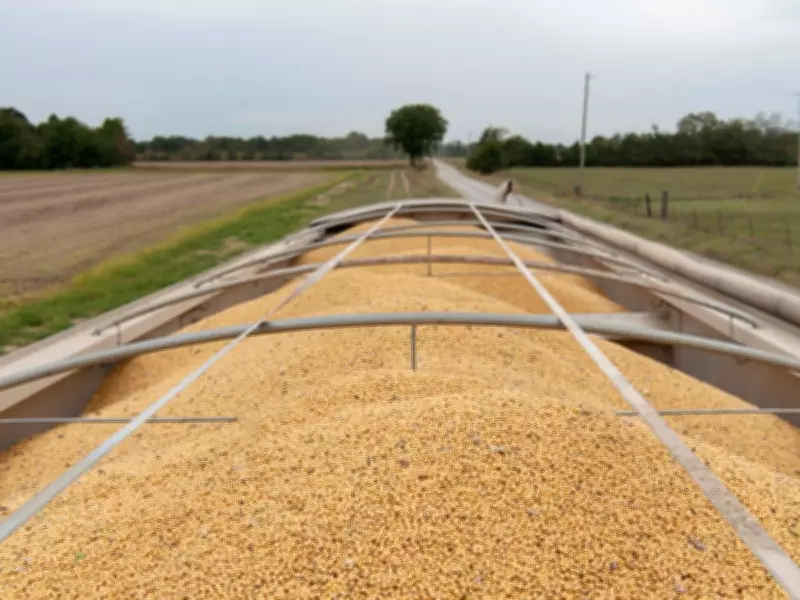
The $17 billion in annual agricultural purchases would be in addition to soybean-purchase commitments made last fall, the White House said. China has recently turned to cheaper Brazilian soybeans after meeting an initial purchasing volume from the U.S. agreed to in last year's trade truce.
Market Access and Other Agreements
In the wake of the summit, China restored market access for U.S. beef by renewing expired listings of more than 400 beef facilities, according to the White House. China will also work with U.S. regulators to restore imports of American poultry. Bloomberg reported prior to the summit that China had renewed beef import licenses after hundreds of authorizations lapsed during Trump's tariff war.
The outcome demonstrates that both countries "can find solutions to the problems through dialog and cooperation," China's Commerce Ministry said on Saturday, noting the terms were discussed during trade talks in South Korea ahead of Xi's meeting with Trump. The U.S. also said China will address American concerns about supply shortages and export restrictions tied to rare earth and other critical minerals.
Geopolitical Agreements
In the fact sheet, the White House stated that both leaders agreed Iran cannot have a nuclear weapon, called for reopening the Strait of Hormuz, and agreed that no country or organization can be allowed to charge tolls. Both leaders also confirmed their shared goal to denuclearize North Korea. During his flight back to the U.S., Trump said he had discussed lifting sanctions on Chinese oil companies that buy Iranian oil. The White House also reiterated plans for Xi to visit the U.S. this fall.