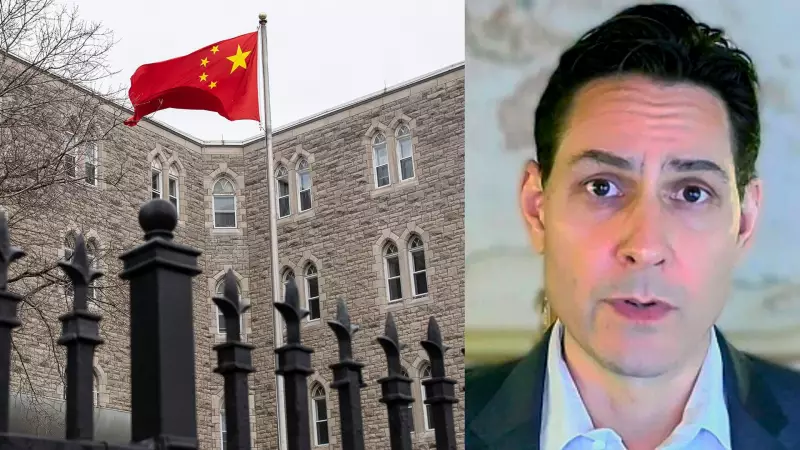
Former Canadian diplomat Michael Kovrig has publicly criticized a recent diplomatic mission to China by prominent figure Mark Carney, describing the optics of such a trip as making one look like a "supplicant" and "undignified." His comments, reported on January 18, 2026, come amid intense national debate over a new agreement on Chinese electric vehicles (EVs).
Political and Industry Backlash Against EV Deal
The controversy stems from a recently struck deal on tariffs for Chinese electric vehicles, which has ignited a firestorm of criticism across the political and industrial spectrum. Ontario Premier Doug Ford lambasted the move, predicting it will be "terrible" for the province. Similarly, Unifor National President Lana Payne expressed being "extremely disappointed," labeling the policy as "risky" for Canadian workers and the automotive industry.
Industry experts have echoed these concerns, warning that the arrival of Chinese EVs in Canada creates more uncertainty in an already volatile auto sector. The deal, however, has not been universally panned. A diplomatic source characterized it as a "modest" agreement that opens the door to potential "new investment relationships" between the two nations.

Consumer Implications and Broader Context
Amid the high-level political fray, the perspective on the ground from some car dealers is notably different. Some retailers suggest Canadian consumers could ultimately win from increased competition and choice in the EV market, with one dealer stating, "I was absolutely blown away" by the potential benefits for buyers.
The report on Kovrig's remarks was part of a broader national news segment by CTV, which also covered a range of other stories from across Canada on January 17-18, 2026. These included community events, weather advisories, local crime updates, and sports news, painting a picture of the national conversation extending far beyond foreign policy.
A Nation Divided on Economic Strategy
The stark divide in reactions highlights the difficult balance Canada is trying to strike. On one side is the desire for economic engagement and green technology adoption through accessible electric vehicles. On the other is the imperative to protect domestic manufacturing jobs and maintain a stance of dignity and strength in international relations, a point underscored by Kovrig's poignant critique from his unique experience as a former detainee in China.
The fallout from this decision is likely to continue, as stakeholders from provincial premiers to union leaders and former diplomats weigh in on a policy that touches on trade, environment, industry, and Canada's geopolitical posture.