Venezuela's Oil Hub Nears Seven-Year Export Peak Amid U.S. Oversight
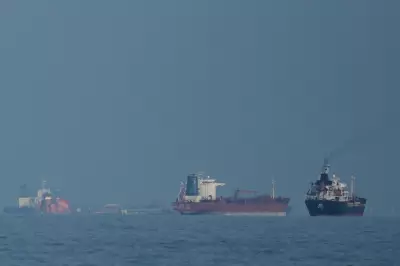
Venezuela's primary oil export terminal is experiencing a significant surge in shipments, with projections indicating the highest volumes since 2019. This development occurs under the watchful eye of the United States, which has taken steps to facilitate the flow of crude from the South American nation.
March Shipments Set to Soar
According to preliminary loading data reviewed by Bloomberg, March shipments from the Jose terminal are expected to reach approximately 848,000 barrels per day. This terminal handles more than 80 percent of Venezuela's total oil exports, making it the country's most critical petroleum hub.
If these projections materialize, this would represent the highest export volume from the Jose facility in seven years. The increase comes just three months after the Trump administration assumed control over Venezuela's oil sales operations.

U.S. Intervention and Infrastructure Improvements
The export surge follows significant developments in Venezuela's political and operational landscape. United States Special Forces recently captured former Venezuelan leader Nicolas Maduro, while the Trump administration has implemented measures to alleviate port and storage congestion that had previously hampered oil exports.
These interventions have created more favorable conditions for Venezuela's oil industry to increase its international shipments. The administration has specifically worked to reduce bottlenecks caused by partial naval blockades that had restricted Venezuela's export capabilities.
Technical Factors Driving Export Growth
Several technical factors are contributing to the increased export volumes. Venezuela requires steady imports of naphtha—a petroleum product used to thin the country's extra-heavy crude oil for pipeline transportation. This process enables the oil to flow more efficiently through Venezuela's infrastructure.
Data indicates that at least five cargoes of this blendstock are scheduled to discharge in Venezuela during March, mirroring February's import levels. Major suppliers including Vitol Group and Chevron Corporation are loading these naphtha shipments at ports in Texas, according to shipping information.
Global Market Context
The timing of Venezuela's export increase coincides with ongoing conflict in the Middle East, which has disrupted oil production in some of OPEC's largest member countries. As traditional suppliers implement production cuts due to regional instability, a potential opening has emerged for Venezuelan crude to fill market gaps.
This modest new supply from Venezuela arrives at a moment when global oil markets face uncertainty and potential supply constraints. The combination of improved Venezuelan export capabilities and reduced production from other major oil-producing nations creates a unique opportunity for Venezuela to increase its presence in international energy markets.
The developments at the Jose terminal represent a significant shift in Venezuela's oil export capabilities after years of decline and operational challenges. With U.S. oversight facilitating infrastructure improvements and global market conditions creating demand, Venezuela's oil industry appears poised for a period of increased activity and international relevance.