U.S. Announces Insurance and Naval Escort Plan for Strait of Hormuz Oil Tankers
In a significant move to address escalating tensions in the Middle East, President Donald Trump has declared that the United States will provide insurance guarantees and naval escorts to ensure the safe passage of oil tankers and other commercial vessels through the critical Strait of Hormuz. This announcement comes as the U.S. seeks to prevent a potential global energy crisis triggered by the ongoing conflict with Iran.
Presidential Commitment to Global Energy Flow
President Trump emphasized the urgency of this initiative in a social media post, stating, "No matter what, the United States will ensure the FREE FLOW of ENERGY to the WORLD." The plan involves two key components:
- The U.S. International Development Finance Corporation (DFC) will offer insurance "at a very reasonable price" to support energy and commercial trade in the Gulf region.
- The United States Navy will begin escorting tankers through the Strait of Hormuz "as soon as possible" if deemed necessary.
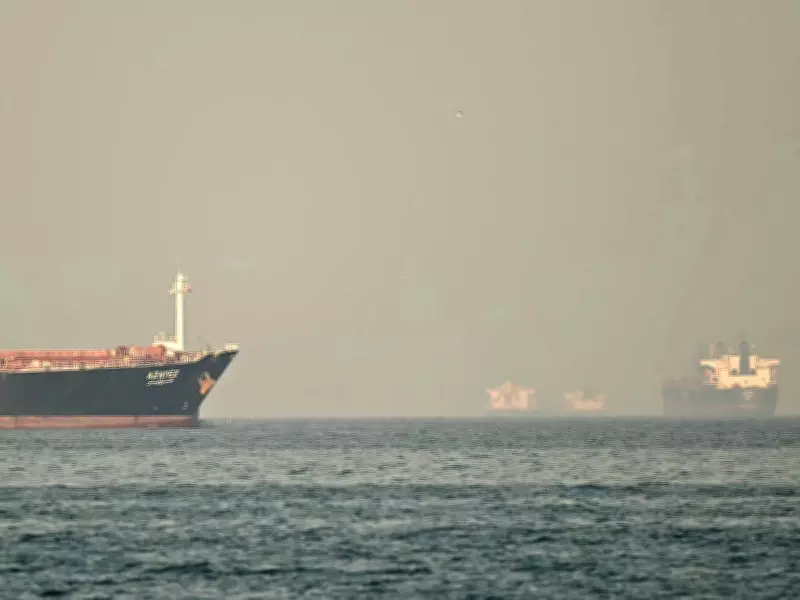
This strategic response aims to mitigate disruptions that have severely impacted oil flows through the strait, which typically handles approximately one-fifth of the world's energy supplies.

Market Reactions and Implementation Challenges
Following the announcement, oil prices experienced a brief moderation, with the global benchmark Brent crude trading near $80 per barrel. However, market analysts remain cautious about the immediate effectiveness of these measures. Prices had surged more than 10% since the U.S. and Israel initiated attacks on Iran over the weekend, leading to widespread regional disruptions that effectively halted oil transit through the vital waterway.
Bob McNally, president of Rapidan Energy Group and a former White House official, noted that while the announcement may reassure traders, practical implementation will require time. "The U.S. military will first want to suppress Iran's ability to mine and attack ships with anti-ship cruise missiles and drones," McNally explained. He added that even with these plans, "full resumption of Hormuz flows will require weeks instead of hours or days."
Uncertainties Surrounding the Insurance Mechanism
Several questions remain regarding the specifics of the insurance program. The DFC, which typically focuses on mobilizing private capital for developing nations and mitigating investment risks in poorer countries, has limited experience with such large-scale maritime insurance initiatives. According to sources, the agency's closest comparable effort involved providing political risk insurance to Ukraine following the Russian invasion, but that covered new projects rather than existing assets.
Salar Ghahramani, a professor at Penn State University and founder of Global Policy Advisors, highlighted that the premium charged by the DFC will be a critical indicator of perceived regional risks. "How much insurance premium is charged may indicate the level of risk the DFC sees," Ghahramani stated, "especially comparing that premium to what the private markets would provide."
Additionally, it remains unclear how many shipping companies will opt to purchase this government-backed insurance and at what specific rates it will be offered. The scale of this undertaking represents a potentially gargantuan task for the DFC, moving beyond its traditional scope of operations.
As the situation develops, the international community will be closely monitoring the implementation of these measures and their impact on restoring normal oil flows through one of the world's most strategically important maritime chokepoints.