U.S.-Israeli Conflict with Iran Triggers Major Global Oil and Gas Disruptions
The ongoing military confrontation between the United States, Israel, and Iran has resulted in severe disruptions to global oil and gas supplies, sending shockwaves through energy markets. This conflict, which escalated in early 2026, has directly impacted key production and transportation infrastructure in the Middle East, leading to supply shortages and price volatility.
Immediate Impacts on Energy Markets
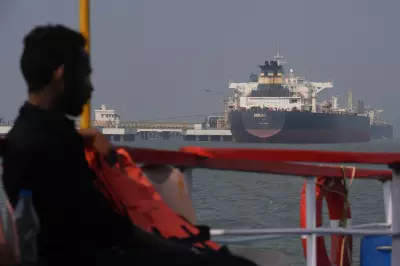
Following the outbreak of hostilities, oil prices have surged as markets react to the uncertainty. Major shipping routes in the Strait of Hormuz, a critical chokepoint for global oil exports, have been affected, causing delays and increased insurance costs for tankers. Gas supplies, particularly liquefied natural gas (LNG) from the region, have also been disrupted, with European and Asian importers scrambling to secure alternative sources.
Analysts warn that these disruptions could have long-term effects on global energy security. The conflict has highlighted the fragility of supply chains dependent on geopolitical stability in the Middle East. Countries heavily reliant on imports from the area are now facing potential energy crises, prompting emergency measures and strategic reserve releases.

Broader Economic and Geopolitical Ramifications
Beyond the immediate energy sector, the conflict is influencing broader economic indicators. Inflationary pressures are mounting as higher energy costs trickle down to consumer goods and transportation. Stock markets have experienced volatility, with energy stocks seeing gains while other sectors face uncertainty due to increased operational costs.
The situation underscores the interconnectedness of global politics and economics. Diplomatic efforts to de-escalate the conflict are underway, but progress has been slow, with all parties entrenched in their positions. The disruption serves as a stark reminder of how regional conflicts can quickly escalate into global crises, affecting everything from daily fuel prices to international trade agreements.
As the conflict continues, experts are closely monitoring developments, with many calling for increased investment in renewable energy and diversification of supply sources to mitigate future risks. The ongoing disruptions highlight the urgent need for resilient energy policies in an increasingly unstable world.