Trump Commits to Protecting Middle East Oil Transit During Ongoing Iran Conflict
U.S. President Donald Trump has declared that the United States will guarantee the safe passage of oil from the Middle East to prevent a potential global energy crisis, as the war with Iran continues to escalate across the region and create significant market volatility. The conflict, now in its fifth day, shows no signs of diminishing, with Israel and Iran engaged in persistent airstrikes and missile exchanges that have resulted in hundreds of fatalities in Iran and dozens more throughout the region, including six U.S. servicemen.
Insurance and Naval Escort Measures Announced
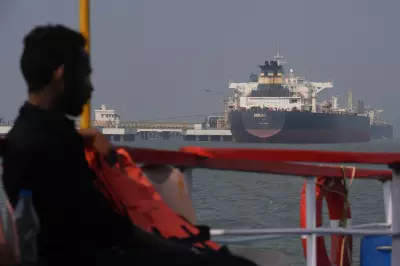
In a statement made on Tuesday, Trump revealed that the U.S. International Development Finance Corporation will provide insurance "at a very reasonable price" to support the uninterrupted flow of energy and other commercial trade in the Gulf. Additionally, he emphasized that the U.S. Navy is prepared to begin escorting tankers through the strategically vital Strait of Hormuz "as soon as possible" if required. "No matter what, the United States will ensure the FREE FLOW of ENERGY to the WORLD," Trump asserted in a social media post, underscoring the administration's commitment to global energy security.
Regional and International Involvement in the Conflict
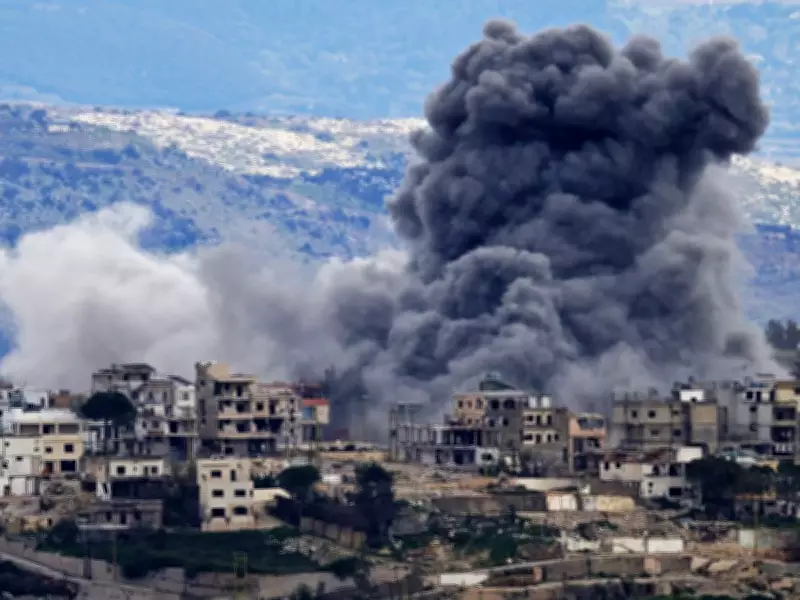
The war has drawn in approximately a dozen nations, with Iran targeting U.S. bases and embassies across the Middle East, and Israel launching a comprehensive air and ground offensive against Hezbollah in Lebanon following attacks from the Iran-aligned group. International concern is mounting, with countries such as China, India, Japan, and South Africa expressing alarm over the conflict's expanding impact. Iranian officials, including Mohammad Mokhber, an adviser to the late Supreme Leader Ayatollah Ali Khamenei who was killed in initial strikes, have stated, "We have no trust in the Americans and no intention of negotiating with the U.S.," highlighting deep-seated tensions.

Market Reactions and Economic Implications
Trump's assurances initially helped soothe market anxieties, leading to a partial recovery in some sectors. A subsequent report from the New York Times indicating that Iran had made indirect contact with the U.S. to negotiate an end to the war further bolstered hopes for a swift resolution, contributing to a rebound in stocks. Futures for the S&P 500 rose 0.3 percent after a nearly one percent decline in the previous session. However, Brent crude pared earlier gains, trading 1.8 percent higher in Dubai, while gold prices resumed an upward trend, surpassing US$5,100 per ounce, and a selloff in global bonds eased.
Despite these measures, traders remain cautious about the plan's effectiveness in rapidly restoring oil flows to normal levels in the region. Crude prices have surged approximately 13 percent since the U.S. and Israel initiated attacks on Iran over the weekend, causing widespread disruptions in the Middle East and effectively halting traffic through the Strait of Hormuz, a critical chokepoint for about one-fifth of the world's oil supply. Shares in Dubai and Abu Dhabi opened sharply lower as markets resumed trading for the first time since the conflict began, reflecting ongoing uncertainty.
In summary, the U.S. initiative aims to mitigate the economic fallout from the Iran war, but the persistent hostilities and complex regional dynamics continue to pose significant challenges to energy stability and global markets.