Saskatchewan Leads Historic Cross-Canada Electricity Grid Agreement
Saskatchewan has taken a leading role in a groundbreaking national initiative to strengthen Canada's energy security through enhanced electricity transmission infrastructure. The province, along with Ontario, British Columbia, Alberta, Manitoba, New Brunswick, Prince Edward Island, Nova Scotia, Yukon, and the Northwest Territories, has signed a memorandum of understanding (MOU) that represents what officials are calling a "historic step" toward building a more interconnected and resilient national power grid.
A Unified Approach to National Energy Security
The agreement, formalized this week, builds upon discussions that began at an energy summit last September, where provincial leaders identified strengthening electricity transmission connections as a major priority. According to Saskatchewan's Minister of Crown Investments Corporation, Jeremy Harrison, this collaborative effort will ensure that Saskatchewan families, communities, and industries continue to have access to reliable and affordable electricity while creating export opportunities for the province's baseload power production.
"This agreement represents a practical solution to strengthen our electricity infrastructure and improve connections between provincial grids," Harrison stated. "By enhancing east-west connections, we will unlock new economic opportunities, support growing demand, and improve grid reliability for both communities and industry across Canada."

Addressing Canada's Fragmented Grid System
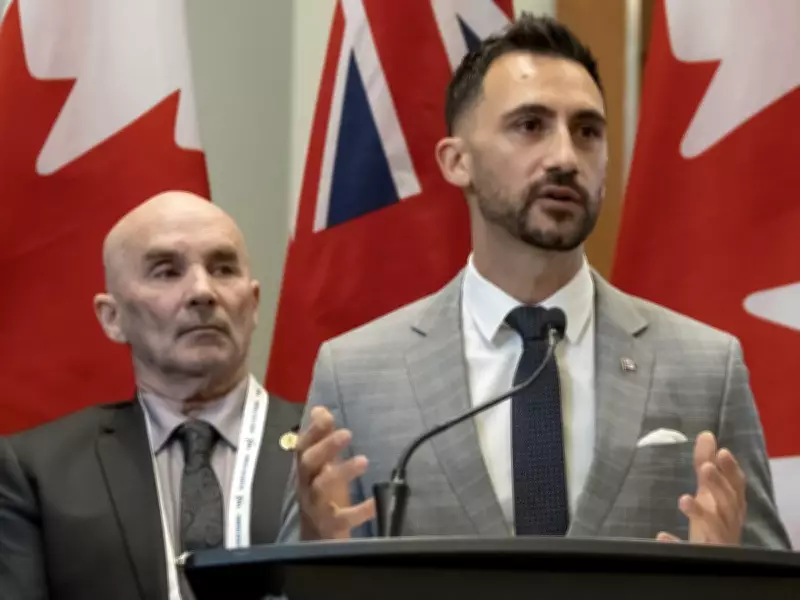
Ontario Minister of Energy and Mines Stephen Lecce emphasized the critical need for this initiative during a press conference in Toronto. He described Canada's current electricity system as consisting of "13 islands" of grids, making the country less energy independent than it could be.
"We know this country's grid was built for a different era—fragmented and disconnected, with a north-south orientation where power flows more easily into the United States than between Canadian provinces," Lecce explained. "This agreement represents a fundamental shift toward true Canadian energy independence."
Northern Realities Highlight Energy Security Vulnerabilities
The importance of enhanced energy security was particularly emphasized by northern representatives. Yukon Minister of Energy, Mines and Resources Ted Laking noted that his territory used more than 90 percent of its available electricity capacity during a severe cold snap in December when temperatures plunged to -50°C for over a week.
"When it gets that cold, industrial customers like mines must disconnect from the grid to ensure we have enough electricity for Yukon's residents," Laking shared. "In Canada's north, energy security is not a theoretical risk. It is a real and serious vulnerability that this agreement directly addresses."
Building Toward a More Connected Future
The MOU specifically aims to:
- Develop national infrastructure and intertie projects connecting provincial and territorial energy grids
- Create a more resilient electricity system capable of withstanding extreme weather events
- Facilitate energy sharing between regions with different generation capacities and demand patterns
- Support economic growth through improved grid reliability and new export opportunities
This cross-country collaboration represents a significant departure from Canada's traditionally fragmented approach to electricity infrastructure. By working together, the participating provinces and territories aim to create a more integrated, efficient, and secure national energy system that benefits all Canadians while supporting economic development and environmental sustainability goals.