Saskatchewan Joins Forces with Nine Provinces and Territories to Form National Energy Corridor
In a significant move for Canada's energy infrastructure, Saskatchewan has officially partnered with nine other provinces and territories to create a national energy corridor. This initiative, announced on March 4, 2026, aims to streamline power transmission and bolster the integration of renewable energy sources across the country.
Enhancing Grid Connectivity and Sustainability
The formation of this corridor is designed to improve the reliability and efficiency of Canada's electrical grid. By connecting regions from coast to coast, it will facilitate the sharing of energy resources, particularly from renewable sources like wind and solar. This collaboration is expected to reduce energy costs for consumers and minimize environmental impacts by optimizing the use of clean energy.
Key objectives include:

- Increasing grid stability to prevent blackouts and ensure consistent power supply.
- Supporting the transition to a low-carbon economy by enabling better distribution of green energy.
- Fostering economic growth through infrastructure investments and job creation in the energy sector.
Implications for Saskatchewan and Beyond
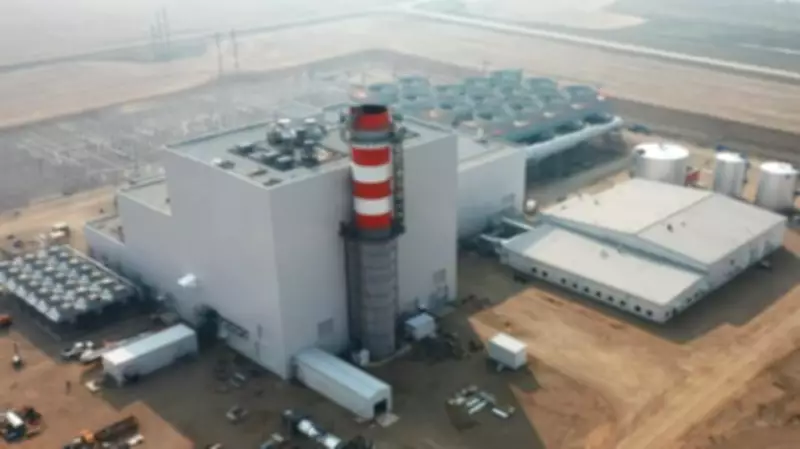
For Saskatchewan, this partnership leverages its existing energy assets, such as the Great Plains Power Station near Moose Jaw, to contribute to a more resilient national network. The province's involvement underscores its commitment to sustainable development and positions it as a key player in Canada's energy future.
Experts highlight that this corridor could serve as a model for international energy cooperation, addressing challenges like climate change and energy security. It also aligns with broader national efforts to modernize infrastructure and meet climate targets set by the federal government.
As the project moves forward, stakeholders will focus on regulatory approvals and public consultations to ensure it benefits all communities involved. This initiative marks a pivotal step toward a more interconnected and sustainable energy landscape in Canada.