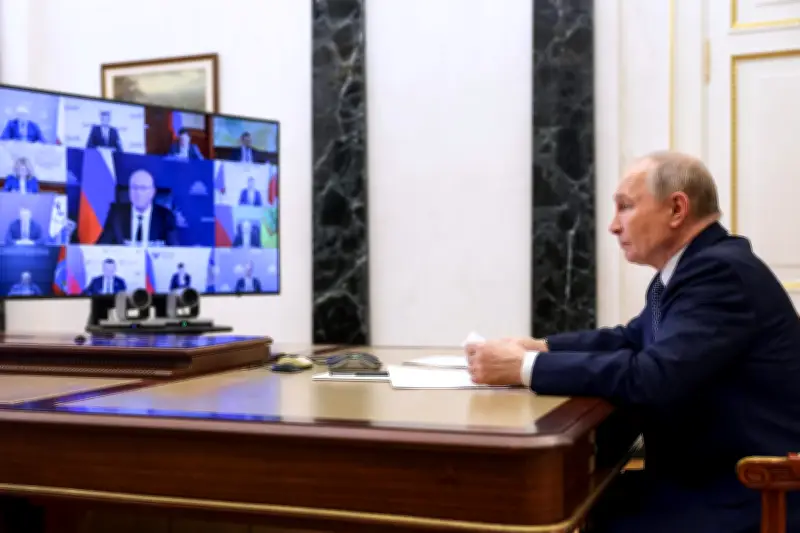
Russian President Vladimir Putin has called on citizens to work from home as the nation grapples with a severe fuel shortage that is disrupting daily life and the economy. The appeal came during a cabinet meeting on transport and fuel issues held via videoconference at the Kremlin on July 8, 2026, as reported by state media.
Fuel shortages worsen amid war pressures
The fuel crisis has been building for weeks, with long lines at gas stations and reports of fuel rationing in some regions. The shortages are attributed to a combination of factors, including Western sanctions on Russian oil exports, reduced refining capacity due to maintenance issues, and increased domestic demand during the summer harvest season. According to the Russian Ministry of Energy, gasoline production fell by 8% in June compared to the same period last year.
Putin emphasized the need for remote work to reduce fuel consumption, stating, "I urge employers to maximize the use of remote work to ease the burden on our fuel infrastructure." The government is also considering a temporary ban on fuel exports to stabilize domestic supplies.

Impact on daily life and economy
The shortages have forced many Russians to alter their routines. In Moscow, commuters report waiting up to two hours to fill their tanks, and some gas stations have imposed limits on purchases. The crisis has also affected public transportation, with buses and taxis struggling to access fuel. According to the Russian Federal Antimonopoly Service, diesel prices have risen by 15% since May, adding to inflationary pressures.
Economists warn that the fuel crisis could deepen the country's recession. The International Monetary Fund projects Russia's GDP to contract by 3.5% in 2026, with the fuel shortages acting as a further drag on industrial output and logistics. "The fuel situation is critical for sectors like agriculture and transportation," said economist Olga Belenkaya of Finam Bank. "Without swift action, we could see supply chain disruptions and higher food prices."
Government response and long-term outlook
The Kremlin has announced a series of measures to address the crisis, including increased subsidies for domestic refineries and the release of strategic fuel reserves. However, analysts doubt these steps will provide lasting relief. "The root cause is the loss of access to Western technology and spare parts for refineries due to sanctions," said energy analyst Mikhail Krutikhin. "This is not a short-term problem."
Meanwhile, the war in Ukraine continues to strain Russia's resources. The defense ministry has not commented on whether military fuel supplies have been affected, but independent reports suggest that the armed forces have also faced shortages. As Putin urged citizens to adapt, the long-term outlook remains uncertain, with many Russians bracing for a difficult winter.