Norway's Sports Success: A Cultural Phenomenon
Norway's recent historic run to a first IIHF World Championship medal in the spring, followed by strong performances at the World Cup, has drawn attention to the country's unique sports culture. According to Tinus Luc Koblar, an 18-year-old centre who impressed at the Toronto Maple Leafs development camp this week, the success is rooted in a system that prioritizes participation and enjoyment over early specialization.
Grassroots Development and Community Support
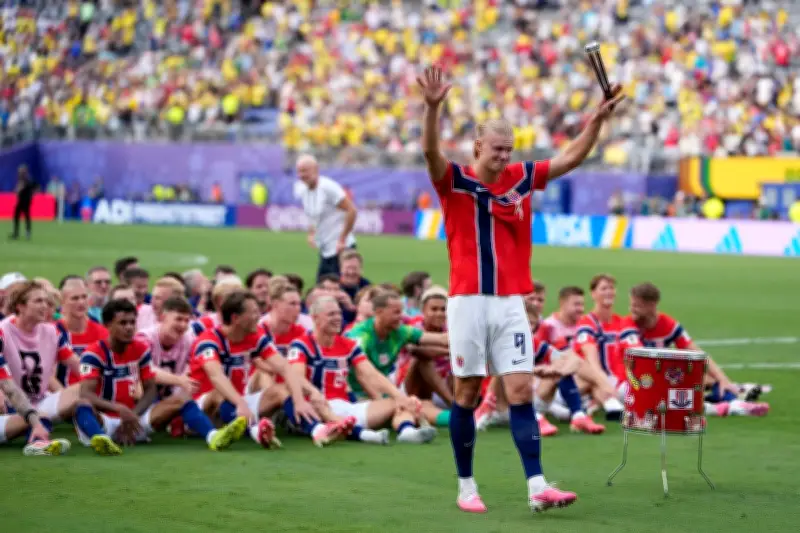
Koblar, who is quick to stress he's no Erling Haaland, emphasizes that Norwegian athletes benefit from a supportive environment where sports are integrated into daily life. "We have a lot of kids playing multiple sports, and there's no pressure to specialize too early," Koblar said. This approach is backed by government funding for local clubs and facilities, ensuring that children from all backgrounds have access to quality coaching and equipment.
Work-Life Balance and Long-Term Health
The Norwegian model also promotes a healthy work-life balance, with many athletes pursuing education or careers alongside their sports careers. This reduces burnout and extends careers, as seen in the national hockey team's success. Koblar noted that the team's camaraderie and collective effort were key to their medal win. "Everyone knows their role, and we play for each other," he added.

Statistics and Impact
Norway's investment in sports yields impressive results: the country has won more Winter Olympic medals per capita than any other nation, and its soccer team ranks among the top in FIFA. The IIHF World Championship medal was a milestone, marking Norway's first ever in the tournament. Koblar believes this success will inspire future generations. "It shows that we can compete with the best," he said.
Comparison to Other Sports Powers
Unlike countries that focus on elite training from a young age, Norway's system emphasizes fun and inclusivity. This has led to a high participation rate, with over 70% of children involved in organized sports. The result is a deep talent pool that produces consistently strong national teams. Koblar's own journey reflects this: he played soccer and hockey growing up before focusing on hockey, a path that developed his versatility and resilience.
Conclusion: A Model for Others
Norway's sports culture offers lessons for other nations seeking to boost athletic performance while maintaining public health. By prioritizing grassroots development, community support, and balance, Norway has created a sustainable system that produces both elite athletes and healthy citizens. As Koblar and his teammates continue to shine on the world stage, their success underscores the power of a culture that values sport for all.