Propane Facility Explosion in RM of Taché Injures Three in High-Risk Emergency
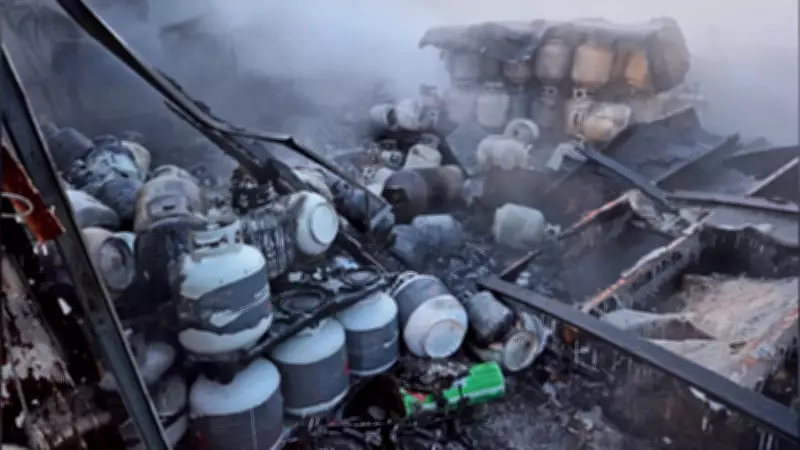
Emergency responders in the Rural Municipality of Taché, Manitoba, were called to a critical situation on January 30, 2026, following a severe explosion at a propane distribution facility. The incident, described as a very high-risk scenario, resulted in injuries to three people, though specific details on their conditions have not been disclosed by authorities at this time.
Firefighters Face Dangerous Conditions
Local firefighters were dispatched swiftly to the scene, where they encountered a fire that had erupted inside the facility. The presence of propane, a highly flammable gas, elevated the danger level significantly, requiring specialized protocols to manage the blaze and prevent further explosions or environmental hazards.
This type of industrial accident underscores the inherent risks associated with handling and storing volatile substances like propane. Propane is commonly used for heating and fuel across Canada, making such facilities critical infrastructure, but also potential sites for serious incidents if safety measures fail.

Ongoing Investigation and Community Impact
An investigation into the cause of the explosion is likely underway, with officials examining factors such as equipment malfunction, human error, or external triggers. The RM of Taché, located near Winnipeg, is a community that may experience disruptions due to the incident, including possible evacuations or road closures in the vicinity.
Injuries from industrial explosions can range from minor burns to life-threatening trauma, highlighting the importance of robust safety standards in such facilities. This event serves as a reminder for similar operations across Canada to review their emergency preparedness and risk mitigation strategies.
Broader Context of Safety in Propane Distribution
Propane distribution is regulated under Canadian safety guidelines to prevent accidents, but incidents like this one raise questions about compliance and oversight. Key aspects to consider include:
- Regular inspections of storage tanks and piping systems
- Training for personnel in handling emergencies
- Community awareness programs for nearby residents
As the situation develops, updates on the injured individuals and the investigation's findings will be crucial for understanding the full scope of this high-risk event. The response from firefighters and other emergency services demonstrates the critical role they play in protecting public safety during such dangerous incidents.