Oil Trading Giants Warn Western Sanctions Are Driving Up Global Oil Prices
Leading figures in the global oil trading industry have issued a stark warning that Western sanctions targeting Russia and Iran are significantly disrupting supply chains and contributing to rising global oil prices. This development comes despite earlier forecasts of substantial market oversupply, creating a complex and volatile trading environment.
Sanctions Create Supply Bottlenecks
Russell Hardy, chief executive of Vitol Group, the world's largest independent oil trader, highlighted the growing impact of sanctions during his remarks at the International Energy Week conference in London. "The traditional buyers of those two supply sources are reaching for more Western or Saudi supply sources, which is in turn tightening the real market," Hardy explained. "The global supply-demand balance needs to factor in some of these difficult situations—because that's roughly a million barrels a day that's not reaching a refinery—it's just sitting on the high seas."
This assessment was widely echoed by other prominent traders from organizations including Gunvor Group and Pacific Investment Management Company, who gathered in London's Mayfair district for the annual energy conference. The consensus among industry leaders points to a significant shift in market dynamics after years of relatively unrestricted flow of sanctioned oil.

Stranded Oil and Market Consequences
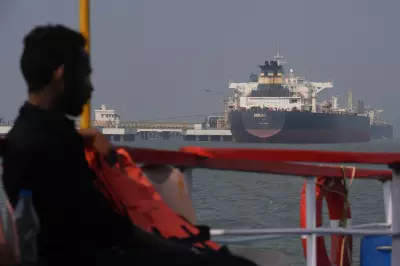
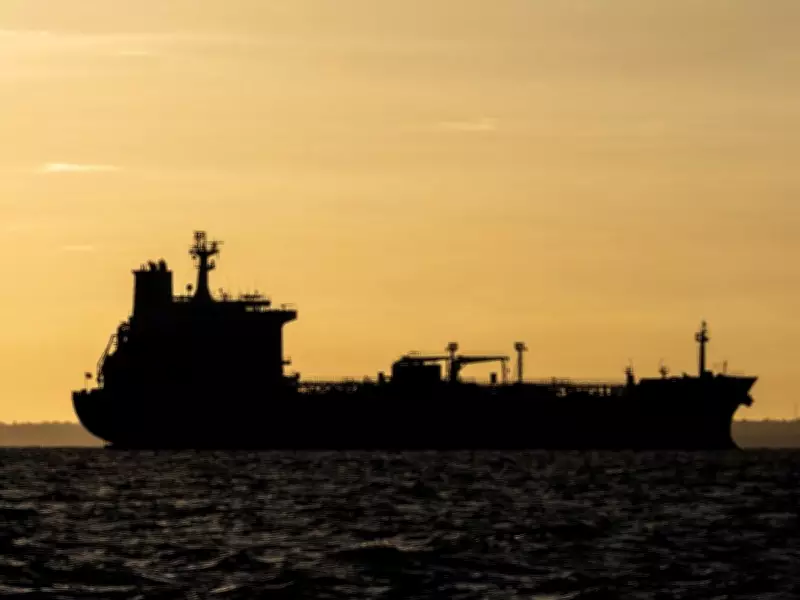
The intensified sanctions pressure on Russia and Iran over recent months has created substantial logistical challenges. According to ship-tracking data from Vortexa Ltd., approximately 290 million barrels of Russian and Iranian crude are currently stranded at sea—a figure more than 50 percent higher than levels recorded just one year ago.
Jason Prior, head of oil trading at Bank of America Corp., emphasized the market impact of this situation: "There's an awful lot of oil that is temporarily at sea because of blockades, sanctions, etc. around the world. That is holding up molecules getting to the market."
This accumulation of oil at sea presents a paradoxical market situation. While large volumes of oil tankers typically signal oversupply and bearish market conditions, the current circumstances are forcing refiners—particularly those in countries like India that previously relied on Russian and Iranian crude—to seek alternative sources, thereby tightening available supply and supporting higher prices.
Price Impact and Market Divergence
The sanctions-driven disruptions are creating what traders describe as a bifurcated market, where easily tradable barrels command premium prices while sanctioned oil faces significant logistical and regulatory hurdles. Greg Sharenow, who manages nearly $20 billion as head of Pimco's commodity portfolio investment team, noted this divergence at a Bloomberg event during International Energy Week: "We have seen a challenging market where you have a bifurcation between those barrels you can easily trade and those barrels you can't. You can have a macro view on the oil market, we are building 1.5 million barrels a day, and not actually have a very strong translation of that into price formation."
This market dynamic has contributed to a notable price recovery in 2026. Despite warnings from the International Energy Agency about potential record oversupply, benchmark Brent futures have climbed approximately 14 percent year-to-date, recovering much of the losses experienced during the previous year.
Geopolitical Factors and Future Outlook
The United States and European nations have recently escalated enforcement actions against the shadow fleet of tankers that facilitates the movement of sanctioned barrels. These measures, combined with restrictions on Russia's largest producers and American political pressure on traditional buyers, have significantly complicated global oil logistics.
The critical question now facing oil traders and market analysts is whether these supply disruptions can be sustained over the longer term. As the industry navigates this complex landscape of geopolitical tensions, regulatory pressures, and shifting trade patterns, the traditional relationship between supply fundamentals and price formation appears increasingly strained.

The situation underscores how geopolitical factors can override conventional market signals, creating unexpected price pressures even in the face of what would normally be considered bearish supply conditions. As traders continue to monitor developments, the stranded oil at sea serves as a tangible reminder of how sanctions policy directly impacts global energy markets and consumer prices worldwide.