Alberta's Fiscal Stability Demands Industry-Funded Environmental Cleanup
Alberta's most significant economic challenge today extends beyond climate policy debates or temporary oil price fluctuations. The province faces fundamental fiscal instability—budgets that function only during favorable oil market conditions and collapse when prices decline. This vulnerability represents a systemic risk to Alberta's long-term prosperity and public service delivery.
The Current Fiscal Reality
Alberta's present $6.4-billion deficit, with projections indicating a $9- to $10-billion shortfall by 2026–27, emerges even with oil prices hovering around $60 per barrel. These substantial gaps materialize under relatively stable market conditions, revealing a revenue system excessively dependent on unpredictable resource royalties. Simultaneously, the province quietly postpones significant environmental cleanup responsibilities, allowing liabilities to accumulate without adequate funding mechanisms.
Calgary's Direct Impact
For Calgary residents and businesses, provincial fiscal instability translates into tangible consequences. Provincial finances directly influence:

- Hospital staffing levels and healthcare delivery
- Post-secondary education funding and research initiatives
- Transit system development and infrastructure investment
- Downtown recovery confidence and commercial real estate stability
When Alberta's revenues experience dramatic fluctuations, Calgary typically feels the initial impact through hiring freezes, delayed capital projects, and investment uncertainty that hampers economic growth.
Mounting Environmental Liabilities
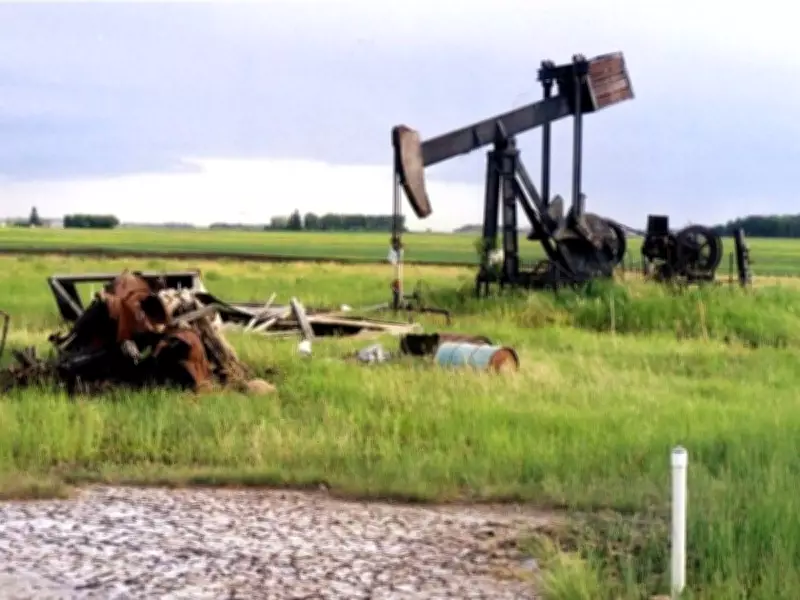
Alberta currently hosts tens of thousands of inactive oil and gas wells alongside substantial oilsands reclamation obligations that remain significantly underfunded. These environmental responsibilities do not diminish during economic downturns—they continue accumulating, creating both environmental risks and financial burdens that future generations may inherit.
Separating Two Critical Issues
Albertans must clearly distinguish between two distinct but interconnected challenges:
- Stable Public Revenue: Alberta requires predictable funding sources for essential services
- Industry-Funded Cleanup: Energy companies must assume financial responsibility for environmental remediation
These problems require separate solutions, with one issue not justifying subsidization of the other through public funds.
Alberta's Revenue Structure
Alberta represents a fiscal outlier among Canadian provinces, but not in the manner often suggested by reform opponents. According to provincial data, Alberta collects approximately $19 billion less in annual taxes than the next-lowest taxing province. While this tax advantage provides immediate benefits, it comes with significant costs—particularly extreme reliance on volatile resource royalties to finance healthcare, education, and municipal services.
The Case for Revenue Stability
Revenue volatility proved manageable during periods of rising oil demand but no longer represents a sustainable approach. A modest provincial sales tax of three percent could generate between $9 billion and $10 billion annually. With properly designed refundable credits, low-income families and seniors could receive full protection or potentially benefit financially. Even with this implementation, Alberta would maintain Canada's lowest overall tax burden while gaining crucial fiscal predictability.
Addressing Economic Concerns
Opponents frequently argue that sales taxes harm economic growth, yet evidence contradicts this position. Every other Canadian province operates with either a PST or HST while maintaining economic expansion. What genuinely impedes growth is fiscal instability—the boom-and-bust budget cycles that force service reductions, emergency borrowing, and inconsistent public investment.
Healthcare Consequences
This instability particularly damages healthcare systems. Operating modern healthcare infrastructure on unpredictable royalty revenues guarantees recurring crises, including staffing shortages, postponed capital projects, and escalating costs from temporary solutions that fail to address underlying structural issues.

Environmental Responsibility
Environmental cleanup represents a fundamentally different challenge that must not transfer to taxpayers. The energy industry that generated profits from resource extraction bears responsibility for funding comprehensive remediation efforts. Establishing clear regulatory frameworks and financial mechanisms ensures that environmental liabilities receive proper attention without compromising public finances or shifting burdens to future generations.
Alberta stands at a critical juncture where fiscal stability and environmental responsibility must converge through thoughtful policy design that separates revenue generation from cleanup funding while ensuring both receive adequate attention and resources.