

India and the United States Edge Toward Agreement on Lowering Trump-Era Tariffs
In a significant development for global trade relations, India and the United States are making progress in discussions aimed at reducing tariffs that were implemented during the administration of former President Donald Trump. This move signals a potential thaw in trade tensions between the two economic powers, which have been navigating complex negotiations for several years.
Official Announcement from New Delhi
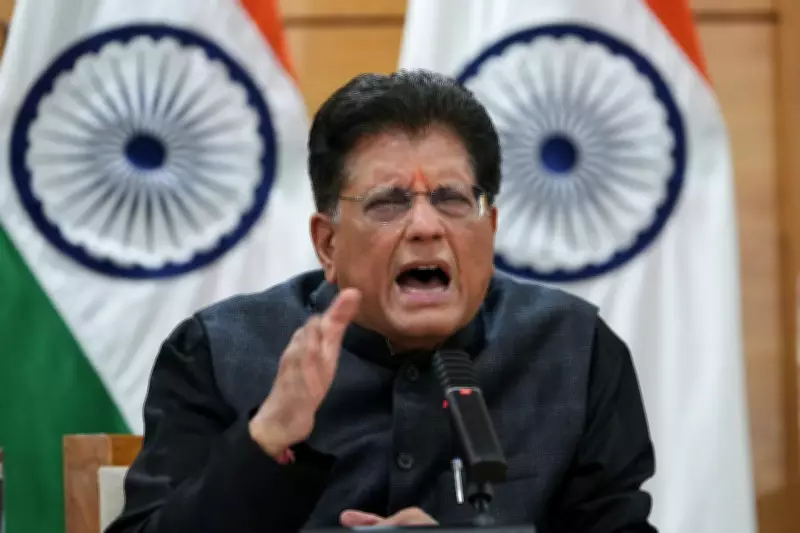
Indian Minister of Commerce and Industry Piyush Goyal confirmed the advancement of talks during a press statement in New Delhi on Tuesday, February 3, 2026. The announcement highlights the completion of a critical phase in the India-US tariff discussions, marking a step forward in bilateral trade diplomacy. Goyal's statement underscores the mutual interest in fostering a more cooperative economic relationship, which could benefit industries and consumers in both nations.
The tariffs in question were originally imposed by the Trump administration as part of broader trade policies that targeted various countries, including India, with the aim of addressing perceived imbalances and protecting domestic industries. Over time, these measures have led to increased costs for businesses and sparked diplomatic friction, making their reduction a priority for current administrations seeking to stabilize international trade flows.

Implications for Bilateral Trade
If successful, the tariff reductions could lead to:
- Lower prices for imported goods in both countries, potentially easing inflation pressures.
- Enhanced market access for key sectors such as agriculture, technology, and manufacturing.
- Strengthened economic ties between India and the U.S., which are among the world's largest economies.
- A positive signal for global trade stability, encouraging other nations to pursue similar agreements.
This development comes amid a backdrop of ongoing global economic challenges, including supply chain disruptions and geopolitical uncertainties. By moving closer to a tariff agreement, India and the U.S. are demonstrating a commitment to resolving trade disputes through dialogue rather than escalation, which could set a precedent for international cooperation.
Broader Context and Future Outlook
The progress in tariff talks reflects a broader shift in U.S. trade policy under the current administration, which has emphasized rebuilding alliances and reducing barriers. For India, this aligns with efforts to boost exports and attract foreign investment, supporting its economic growth objectives. As negotiations continue, stakeholders will be closely monitoring the details of any final agreement, including specific tariff cuts and timelines for implementation.
In summary, the advancement of India-U.S. tariff reduction talks represents a pivotal moment in trade relations, with the potential to reshape economic interactions between the two nations. While challenges remain, the willingness to engage in constructive discussions offers hope for a more collaborative and prosperous future in international trade.






