Oil Prices Surge as Iran Conflict Disrupts Global Energy Supply Chains
Global oil markets experienced significant volatility this week as escalating military conflict in the Middle East disrupted critical energy supply routes, sending crude prices sharply higher. The deepening hostilities have created substantial uncertainty for international energy markets already grappling with geopolitical tensions.
Supply Disruptions and Price Movements
Brent crude futures climbed near US$83 per barrel as the conflict entered its sixth day with no immediate resolution in sight. The price surge reflects growing concerns about sustained disruption to global energy flows, particularly through the strategically vital Strait of Hormuz. Prices briefly pared some gains after state-run media reported that Iran had indicated readiness to dispose of its highly enriched uranium during recent negotiations with the United States.
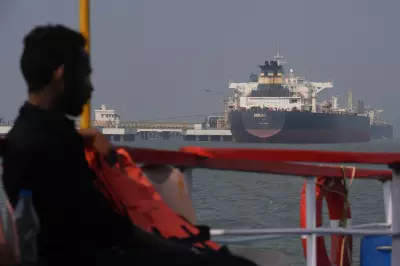
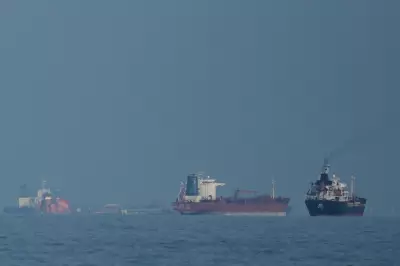
The market's principal concern remains focused on the Strait of Hormuz, where shipping traffic has plummeted by well over 95 percent according to ship-tracking data compiled by Bloomberg. Major crude carriers and gas tankers are largely avoiding the route, with the few remaining vessels transiting with location transponders turned off—a common practice in conflict zones.

Global Response and Market Impact
Major importing nations are taking defensive measures as the conflict spreads across the Middle East. Beijing has instructed major refiners to suspend exports of diesel and gasoline, reflecting efforts to prioritize domestic needs that threaten to impact consumers abroad. Japanese refiners have asked their government to release oil from strategic petroleum reserves, while a major Indian processor advised customers it would suspend product exports earlier this week.
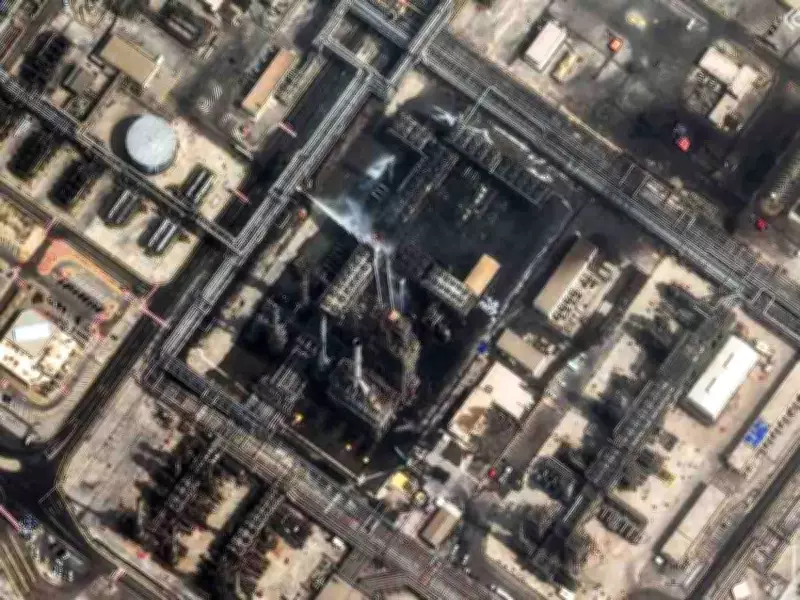
"If we see even one more successful strike on an oil tanker or infrastructure, or sustained disruption, prices can spike sharply again," warned Priyanka Sachdeva, a senior market analyst at brokerage Phillip Nova Pte. The risk to shipping was underscored by an attack on the oil tanker Sonangol Namibe in the northern Persian Gulf, though the vessel only spilled water from a ballast tank without leaking oil.
Strategic Shipping Route Under Pressure
The Strait of Hormuz—which connects the Persian Gulf to the Indian Ocean—remains effectively blocked with almost no owners willing to transit, bottling up crude supplies from Iran and other Persian Gulf producers. This has forced some producers to begin shutting in output as storage capacity reaches limits.
About 15 million barrels of oil transited the strait daily in 2025, together with an additional five million barrels of petroleum products, according to the International Energy Agency (IEA). "The sheer volume of oil that is exported via the Strait of Hormuz, and the limited options to bypass it, means that any disruption to flows would have huge consequences," the Paris-based advisory body stated in a recent study.
International Efforts to Mitigate Crisis
In a bid to break the impasse at Hormuz, Washington has proposed a plan to provide insurance guarantees to vessels and possibly naval escorts. However, Marsh—the world's largest insurance broker—indicated such measures could take weeks to arrange. The conflict has already hoisted oil, gas, and product prices while lifting freight rates and spawning an ever-widening wave of disruption for both producers and importing nations that rely on Middle Eastern energy flows.
Brent's prompt spread—a key gauge showing how much traders are willing to pay for immediate barrels—has been soaring, indicating tight near-term supply conditions. Middle Eastern oil futures also leaped significantly as market participants assessed the potential duration and severity of supply disruptions.