Oil and Gas Markets Experience Sharp Decline Following Ceasefire Announcement
Global energy markets witnessed a dramatic plunge in prices after the United States and Iran agreed to a two-week ceasefire. This agreement aims to halt the American-Israeli military campaign in exchange for reopening the vital Strait of Hormuz, a crucial maritime passage for international oil and gas shipments.
Immediate Market Impact and Price Movements
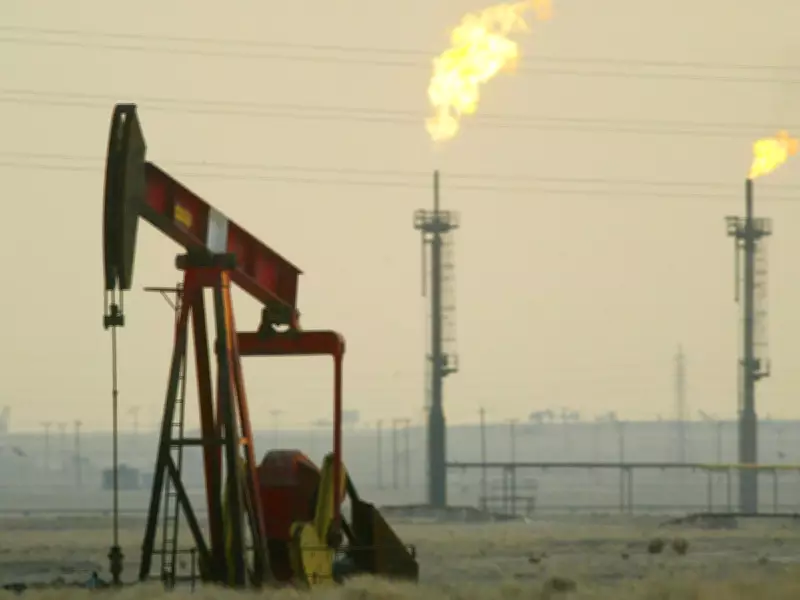
Brent crude oil experienced a significant drop, falling as much as 16 percent before stabilizing around US$95 per barrel. European natural gas futures recorded their most substantial decline in over two years, shedding up to 20 percent of their value. Refined fuel prices, including diesel and jet fuel which had posed major threats to global inflation, also tumbled substantially.
The Strait of Hormuz represents approximately one-fifth of global oil and liquefied natural gas supplies. The near-complete halt of traffic through this critical waterway had previously pushed real-world crude prices to record highs, forcing the world to rapidly deplete supply buffers to compensate for the disruption.

Future Market Trajectory Hinges on Strait Reopening
Market analysts emphasize that the speed of transit resumption through the Strait of Hormuz will determine the energy market's recovery timeline. Jason Schenker, president and chief economist at Prestige Economics LLC, noted that while the ceasefire could potentially push prices below US$80 per barrel, any complications in negotiations could quickly return prices above the US$100 threshold.
"It would take something truly tremendous for us to get back down below US$80 a barrel," Schenker told Bloomberg Television. "But almost anything going wrong in these ceasefire talks could very quickly put us back above US$100."
Production Challenges and Recovery Timeline
Even when transit through Hormuz resumes, energy supplies are unlikely to return immediately to pre-disruption levels. Multiple factors contribute to this delayed recovery:
- Oil and gas fields have reduced output during the closure period
- Refineries have curtailed production or implemented complete shutdowns
- Some facilities will require weeks to return to normal operating capacity
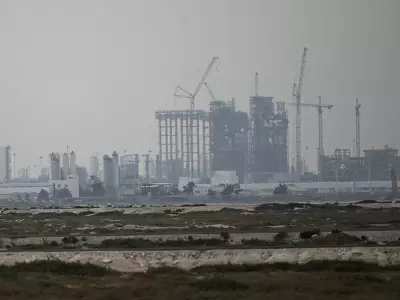
According to Wood Mackenzie estimates, if QatarEnergy begins restarting the Ras Laffan LNG complex—damaged during Iranian attacks—in early May, it would take until late August for its twelve operable units to achieve full service restoration.
Ceasefire Details and Diplomatic Developments
The ceasefire agreement includes specific provisions and diplomatic arrangements:
- President Donald Trump announced that the United States will assist with traffic management in the waterway
- American and Iranian delegates are scheduled to meet in Islamabad on Friday for further negotiations toward a conclusive agreement
- Pakistan's Prime Minister Shehbaz Sharif, serving as a key mediator, confirmed the diplomatic meeting
- The current plan reportedly allows Iran and Oman to charge fees on ships transiting Hormuz
- Iran has accepted Pakistan's ceasefire proposal, with safe passage coordination through its armed forces
- Israel agreed to the pause in fighting, though clarified it doesn't extend to Lebanon
Additional Market Reactions and Regional Impacts
The European gas price plunge occurred just days after many investors had turned increasingly bullish on the fuel, leaving the market particularly vulnerable to a downturn. In oil markets, futures tied to Abu Dhabi's flagship Murban crude dropped 19 percent, marking the most significant decline since the contract's launch in 2021.
The dramatic price movements underscore the global energy market's sensitivity to geopolitical developments in the Middle East, particularly those affecting critical shipping channels like the Strait of Hormuz. As diplomatic negotiations continue, market participants will closely monitor both the physical resumption of shipments and the political stability of the ceasefire arrangement.