

New Brunswick Launches Specialized 'Lobster Police' Unit to Tackle Unreported Fisheries
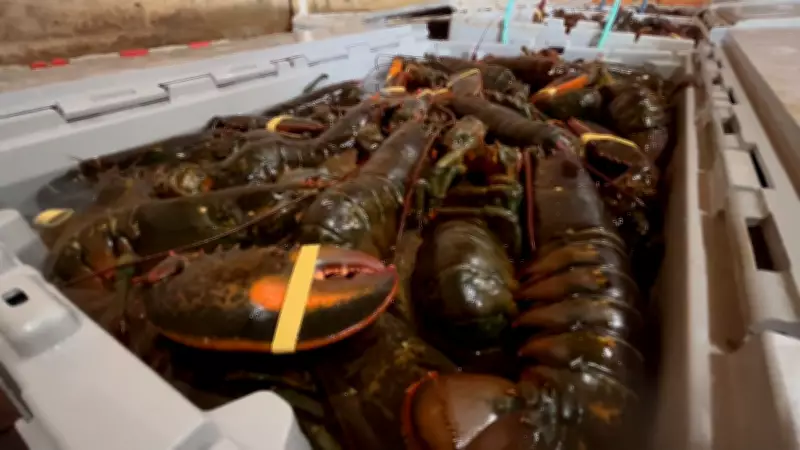
In a significant move to address financial losses in the fishing industry, the government of New Brunswick is establishing a dedicated enforcement unit, colloquially dubbed the "lobster police," to combat unreported lobster landings. This initiative aims to recoup substantial tax revenues that have been slipping through the cracks due to underreporting in the lucrative Atlantic Canadian fishery.
The Scale of Unreported Landings
According to data from the Nova Scotia government, approximately 30 percent of annual lobster landings in Atlantic Canada go unreported. This widespread underreporting represents a major economic issue, depriving provincial coffers of critical tax income that supports public services and infrastructure. The new enforcement unit in New Brunswick is a direct response to this persistent problem, which has been festering for years and undermining the sustainability of both the fishery and government budgets.
Enforcement Strategies and Objectives
The "lobster police" unit will employ a multi-faceted approach to ensure compliance and transparency in the industry. This includes:

- Enhanced monitoring and inspections at landing sites and processing facilities to verify reported catches.
- Collaboration with other Atlantic provinces to share data and coordinate efforts across regional boundaries.
- Implementation of advanced tracking technologies to monitor lobster shipments and prevent illicit activities.
- Strict penalties and fines for individuals and businesses found guilty of underreporting landings.
The primary objective is to close the gap in tax collection, estimated to be in the millions of dollars annually, thereby ensuring that the economic benefits of the lobster fishery are fairly distributed and contribute to provincial revenue streams.
Broader Implications for Atlantic Canada
This enforcement initiative is not just about revenue recovery; it also touches on broader issues of environmental sustainability and regulatory integrity. Unreported landings can lead to overfishing and stock depletion, threatening the long-term viability of the lobster population. By cracking down on underreporting, New Brunswick aims to promote responsible fishing practices that align with conservation goals.
Moreover, the move signals a shift towards stricter governance in the fisheries sector, which could set a precedent for other provinces facing similar challenges. It reflects growing concerns about accountability in natural resource management, especially as climate change and market pressures continue to impact the industry.
Industry and Community Response
While some stakeholders welcome the increased enforcement as a necessary step to level the playing field, others express concerns about potential overregulation and its impact on small-scale fishers. The government has emphasized that the unit will work collaboratively with industry representatives to develop fair and effective policies, ensuring that compliance does not become an undue burden on legitimate operators.
Community leaders in coastal regions, where lobster fishing is a cornerstone of the local economy, are closely watching the rollout of this initiative. They hope it will bring much-needed transparency and stability to a sector that has long been plagued by inconsistencies in reporting and enforcement.
As New Brunswick moves forward with its "lobster police" unit, the success of this endeavor will depend on robust implementation and ongoing dialogue with all affected parties. If effective, it could serve as a model for enhancing fiscal responsibility and environmental stewardship in fisheries across Canada.






