Metro Vancouver Municipalities Face Mounting Resistance to Supportive Housing Initiatives
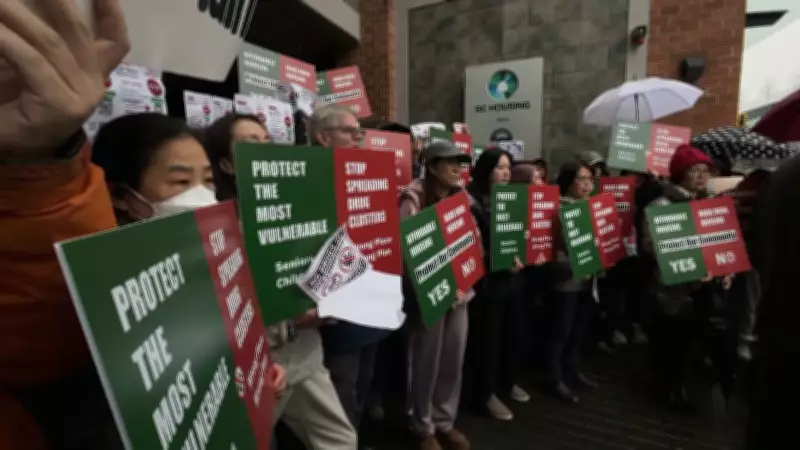
Across Metro Vancouver, a significant wave of opposition is emerging against proposed supportive housing developments, creating challenges for municipal governments attempting to address homelessness and housing insecurity. Community groups in multiple municipalities have organized coordinated efforts including petitions, public rallies, and organized protests in response to social housing proposals throughout the region.
Organized Community Resistance Gains Momentum
The resistance movement has gained substantial momentum in recent months, with concerned residents forming organized groups to voice their objections to supportive housing projects planned for their neighborhoods. These community organizations have employed various tactics to make their opposition known, from circulating petitions that have gathered thousands of signatures to organizing visible public demonstrations at municipal council meetings and proposed development sites.
The intensity of this opposition reflects broader tensions surrounding housing policy in one of Canada's most expensive real estate markets, where the need for affordable housing solutions conflicts with neighborhood concerns about property values, community character, and perceived safety issues.

Municipal Governments Navigate Complex Housing Landscape
Municipal officials across Metro Vancouver now find themselves navigating increasingly complex political terrain as they attempt to balance provincial mandates for increased supportive housing with vocal community opposition. The situation has created difficult decisions for local councils who must weigh the urgent need for housing solutions against the concerns of established residents.
This opposition movement represents a significant challenge to regional housing strategies that have been developed to address Metro Vancouver's ongoing homelessness crisis. Supportive housing projects, which combine affordable housing with on-site support services for residents facing mental health challenges, addiction issues, or other barriers to stable housing, have become particularly contentious in many communities.
Regional Implications for Housing Policy
The growing resistance to supportive housing developments has several important implications for housing policy across Metro Vancouver:
- Delayed implementation of critical housing projects as municipalities reconsider proposals
- Increased costs associated with extended consultation processes and potential legal challenges
- Potential shifts in municipal election dynamics as housing becomes a more polarized issue
- Complications for regional coordination on homelessness strategies
As the opposition movement continues to organize and expand its reach, municipal governments face increasing pressure to develop new approaches to community engagement and project planning that can address resident concerns while still advancing necessary housing solutions. The outcome of these conflicts will likely shape housing policy in Metro Vancouver for years to come, with implications for how Canadian municipalities address similar challenges nationwide.