Qatar's LNG Disruption Sends Shockwaves Through Global Energy Markets
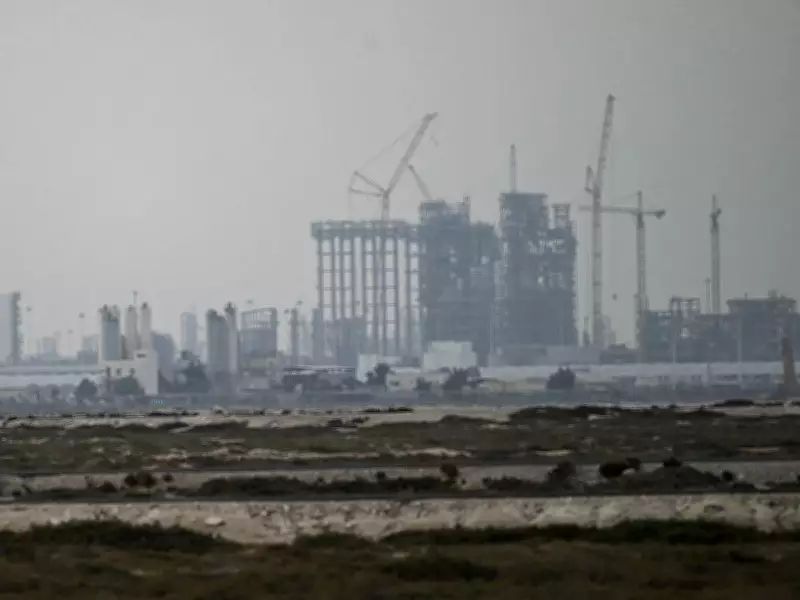
The CEO of QatarEnergy has confirmed that 17 percent of Qatar's liquefied natural gas export capacity has been incapacitated for up to five years. This development represents one of the most substantial disruptions in global energy markets over the past decade, with Qatar ranking as the world's third-largest LNG exporter behind the United States and Australia.
The suspension occurred on March 2, 2026, following Iranian strikes on Gulf energy facilities, marking a dangerous escalation in Middle East conflicts. According to analysis from consulting firm Baringa, this attack will likely maintain elevated LNG prices until at least 2031, creating significant economic repercussions worldwide.
Historical Context and Missed Opportunities
When I began my career in natural resources over a decade ago, numerous voices claimed Canada had missed its opportunity in the LNG sector. As recently as 2018, prominent figures like former B.C. Green Party Leader Andrew Weaver declared emphatically that "there is no market for LNG" and that Canada had "missed the boat on that."

However, geopolitical realities have consistently proven such predictions premature. The Fukushima nuclear disaster, the conflict in Ukraine, and now the Middle East war all demonstrate how supply stability remains paramount for natural resource projects. Nations with production capacity in stable jurisdictions stand to benefit not only economically but also strategically by supplying allies during critical moments.
The Vulnerability of High-Risk Energy Regions
Qatar's situation illustrates a fundamental truth about global energy security. While high-risk regions like Russia, Iran, and Qatar collectively hold nearly 70 percent of global gas reserves, their ability to deliver these resources consistently remains precarious. Political instability and regional conflicts can abruptly remove significant capacity from international markets.
This vulnerability creates opportunities for nations like Canada that combine substantial resources with political stability and reliable infrastructure. The attack in Qatar has sidelined approximately 12.8 million tons per annum of LNG production capacity, creating an immediate supply gap in global markets.
Canada's Current Position and Future Potential
Canada currently operates the LNG Canada facility with approximately 14 MTPA of export capacity, which began operations in 2025. If the proposed Phase 2 expansion were constructed, Canada could immediately address the supply disruption caused by Qatar's production suspension.
Natural Resources Canada estimates that current proposed projects could expand Canada's LNG export capacity to approximately 47.5 MTPA by 2029. This represents a significant opportunity to establish Canada as a reliable global energy supplier while generating substantial economic benefits.
The Long-Term Perspective on Resource Development
Canadians must recognize that resource projects require long-term vision and commitment. Mining initiatives, for instance, typically take decades to discover, validate, and develop fully. Yet their contributions create enduring economic foundations.
Consider British Columbia's mining sector, which generates approximately $18 billion in annual economic activity and accounts for nearly 30 percent of the province's goods exports. The 2026 federal budget projected mining revenue of $191 million for the 2026-27 fiscal year, demonstrating the sector's ongoing fiscal importance.
This long-term stability perspective explains why LNG projects in British Columbia were crucial a decade ago and remain vital today. At one point, nineteen separate LNG projects were proposed for the province, though only LNG Canada Phase 1 reached completion.
The current geopolitical landscape presents Canada with another opportunity to meet global energy demands while strengthening its economic position. The nation cannot afford to squander this chance to enhance energy security for itself and its allies while building sustainable prosperity for future generations.