Nipissing Families to Receive Financial Support During Ongoing Bus Strike
The Ontario government has announced a targeted subsidy for families in the Nipissing region grappling with the ongoing strike by Alouette Bus Lines workers. This financial relief measure aims to alleviate transportation hardships as the labor dispute, involving United Steel Workers Local 2020, continues to disrupt local bus services.
Strike Details and Community Impact
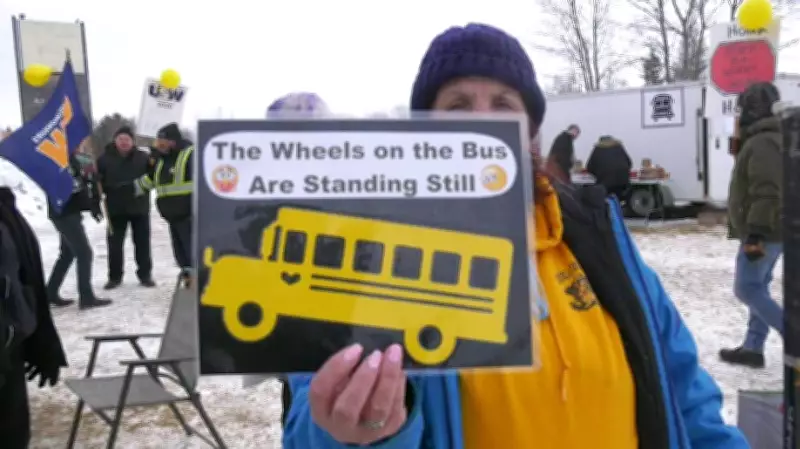
Members of United Steel Workers Local 2020 have been on strike from Alouette Bus Lines, leading to parked buses and suspended routes. The strike has particularly affected families who rely on these services for daily commutes, school transportation, and essential travel. Demonstrations have highlighted opposition to the use of replacement workers, which the company has employed to restart some bus routes, further escalating tensions.
The subsidy is designed to help offset the increased costs families face due to the strike, such as alternative transportation expenses. This move comes amid broader concerns about public transit accessibility in Northern Ontario, where limited options can exacerbate disruptions.

Government Response and Broader Context
While specific details of the subsidy, including eligibility criteria and funding amounts, are still being finalized, the announcement signals a proactive approach by provincial authorities to support affected communities. The strike underscores ongoing labor challenges in the transportation sector, with workers advocating for better wages and working conditions.
In related news, other regions across Canada are facing similar transit issues, but the Nipissing subsidy represents a localized effort to address immediate needs. The situation remains fluid, with negotiations between the union and Alouette Bus Lines ongoing, and no immediate resolution in sight.
Families are advised to stay informed through official channels for updates on the subsidy application process and strike developments. This intervention highlights the critical role of public transit in rural and northern communities, where disruptions can have far-reaching social and economic consequences.