Middle East Conflict Sends Shockwaves Through Canadian Economy
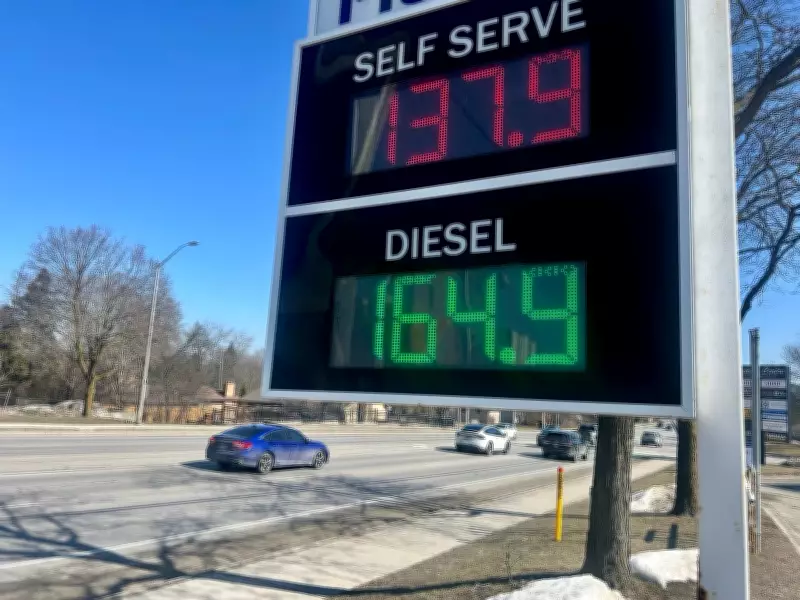
The ongoing military escalation in the Middle East is having a direct and tangible impact on Canada, with consumers feeling the pinch at the pump as gas prices surge. This economic pressure coincides with Prime Minister Mark Carney's recent statements indicating that Canada has not ruled out participating militarily in the conflict, a significant shift in posture that underscores the geopolitical stakes.
Fueling Economic Anxiety: Gas Prices Climb
Global oil markets are reacting with volatility to the intensified hostilities, particularly involving Iran. This instability is translating into higher costs for Canadian drivers. Analysts note that any prolonged disruption in the region, a key oil-producing area, threatens to sustain elevated fuel prices, straining household budgets and adding inflationary pressure to the broader economy. The situation highlights Canada's vulnerability to international energy market fluctuations driven by geopolitical crises far from its borders.
A Shift in Stance: Canada's Military Calculus
In a notable development, Prime Minister Mark Carney addressed the possibility of Canadian military involvement. "One can never categorically rule out participation," Carney stated, emphasizing that Canada would stand by its allies "when it makes sense." This marks a potential pivot from a more cautious diplomatic approach, aligning closer with actions by NATO allies and the United States, which has signaled an expanded military campaign against Iran. Carney's comments suggest a careful weighing of alliance obligations against the risks of deeper entanglement in a complex regional war.

Broader Implications and Domestic Context
The conflict's ripple effects extend beyond the gas station and potential troop deployments. The uncertainty contributes to a fragile global economic environment, affecting trade and investment. Domestically, this news breaks amidst other national stories, from a major $765 million sale of Alberta natural gas assets by Tourmaline to provincial issues like healthcare shortages in P.E.I. and protests over education funding in Ontario. However, the Middle East situation presents a unique confluence of immediate economic pain and profound foreign policy decisions for the Canadian government.
As the situation develops, Canadians are left to monitor both their wallets and the government's next moves. The intertwining of fuel costs and foreign policy underscores how distant conflicts can deliver very local consequences, forcing a national conversation on energy security, military alliance, and global stability.