Investors Brace for Energy Shock and Inflation Fears from Prolonged Iran Conflict
Global financial markets are on high alert as investors brace for a potential energy shock and heightened inflation pressures stemming from the escalating conflict in Iran. With tensions showing no signs of abating, analysts warn that a prolonged crisis could disrupt oil supplies from the Persian Gulf, a critical region for global energy markets.
Oil Prices Surge to Highest Levels Since Early 2025
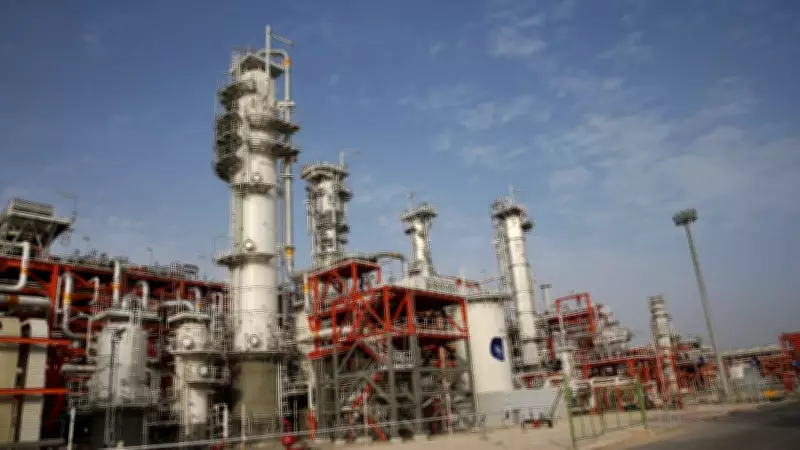
In response to the mounting geopolitical risks, oil prices have already jumped significantly, settling at their highest point since January 2025 after a sharp 4.7% increase. This surge reflects growing concerns that Iran's substantial energy infrastructure, including key facilities like the South Pars gas field, could be impacted, reducing global output and tightening supplies. The South Pars field, located on the northern coast of the Persian Gulf, is one of the world's largest natural gas reserves, and any disruption there could have far-reaching consequences for energy markets worldwide.
Inflationary Pressures Loom Large
Beyond the immediate spike in energy costs, economists are sounding the alarm about broader inflationary effects. Higher oil prices typically translate into increased costs for transportation, manufacturing, and consumer goods, which could fuel inflation across multiple sectors. This comes at a time when many economies are already grappling with persistent inflation, making the situation particularly precarious for central banks and policymakers trying to stabilize prices without stifling growth.

Investor Strategies and Market Reactions
Investors are rapidly adjusting their portfolios to hedge against these risks. Many are increasing allocations to energy stocks and commodities while reducing exposure to sectors vulnerable to rising input costs, such as consumer discretionary and certain industrial companies. The uncertainty has also led to heightened volatility in currency and bond markets, as traders assess the potential for prolonged economic disruption.
Key factors being monitored include:
- The duration and intensity of the conflict in Iran.
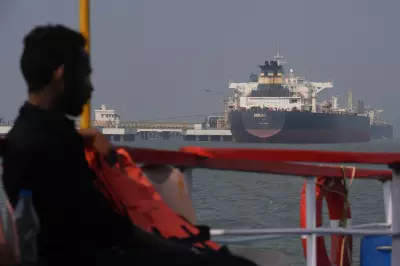
- Potential disruptions to shipping routes in the Strait of Hormuz, a vital chokepoint for oil exports.
- Responses from other major oil-producing nations, such as Saudi Arabia and the United States, regarding production adjustments.
- The impact on global natural gas markets, given Iran's significant role as a supplier.
Broader Economic Implications
The ripple effects extend beyond financial markets. Consumers could face higher prices at the pump and for heating, while businesses may see squeezed profit margins due to elevated energy expenses. In regions heavily dependent on energy imports, such as parts of Europe and Asia, the economic strain could be particularly acute, potentially slowing economic growth and exacerbating existing financial challenges.
As the situation evolves, investors and analysts alike are urging caution, emphasizing the need for diversified strategies and close monitoring of geopolitical developments. The coming weeks will be critical in determining whether the conflict de-escalates or intensifies, with significant implications for global energy stability and economic health.