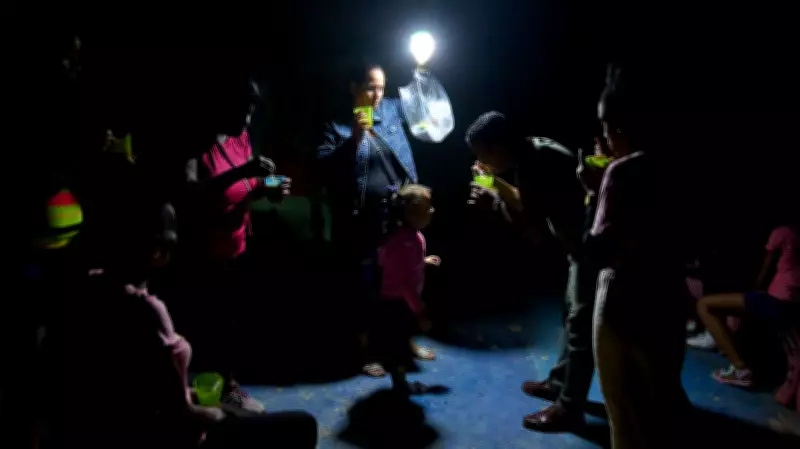
Massive Blackout Plunges Western Cuba into Darkness Amid Energy Crisis
A severe blackout struck Havana and much of western Cuba on Wednesday, leaving millions of residents without power in the latest manifestation of the island's deepening energy woes. The outage, triggered by a shutdown at the Antonio Guiteras thermoelectric power plant, highlights Cuba's struggles with an aging electric grid and scarce oil reserves.
Government Response and Infrastructure Challenges
According to government radio station Radio Rebelde, energy officials estimate it could take at least 72 hours to restore operations at the plant, one of Cuba's largest. The government's electric utility reported on social media that the blackout affected areas from Pinar del Rio in the west to Camaguey in central Cuba. Energy and Mines Minister Vicente de la O Levy stated on X that critical infrastructure, including hospitals and clinics, was being powered as two plants came online, but he acknowledged the "complex energy situation."
Prime Minister Manuel Marrero Cruz expressed confidence in electrical workers to resolve the issue quickly, but by late Wednesday, only 2.5% of Havana, or about 21,100 customers, had seen power restored. The government noted that efforts were gradual and dependent on system conditions.

Impact on Daily Life and Public Sentiment
As night fell, residents adapted to the darkness: some lingered on doorsteps, others cooked soups over wood or charcoal fires, and musicians played along the seawall. Jeferson Silvera, a young resident, remarked that power outages have become a common distraction for youth. However, frustration simmered among many, like 66-year-old Genoveva Torres, who exclaimed, "My God, until when? Then we won’t eat. We’ll have to eat bread again."
The outage stranded many, including 63-year-old Odalis Sánchez, who was unable to walk home after surgery and faced a lack of public transportation due to fuel shortages. She lamented, "Without power, you can’t do anything. My grandson also is studying and I have to make him food."
Root Causes and Historical Context
State media attributed the blackout to a boiler leak at the Antonio Guiteras plant, which caused a water leak and fire. Technical director Román Pérez Castañeda explained that crews must first locate the fault before repairs can begin. This incident marks the second major outage in western Cuba in three months, following a nearly 12-hour blackout in December caused by a transmission line fault.
Authorities point to systemic issues: thermoelectric plants over 30 years old receive minimal maintenance due to high costs, and U.S. sanctions hinder equipment purchases. Additionally, Cuba's oil reserves have dwindled after the U.S. attack on Venezuela in early January halted critical petroleum shipments. U.S. President Donald Trump's threats of tariffs on oil suppliers to Cuba have exacerbated the crisis.
Broader Implications and Resilience
The U.S. Embassy warned of "significant disruptions" and advised conserving resources, noting that power outages are now daily occurrences across Cuba. In response, the government has implemented fuel-saving measures, including jet fuel shortages at nine airports until mid-March.
Despite the hardships, residents like 76-year-old Ernesto Couto Martínez remain resilient. He stated, "We must keep fighting. There’s no other way. We have to move forward, blockade or no blockade." This blackout underscores the urgent need for infrastructure upgrades and stable energy supplies in Cuba, as the nation grapples with compounded challenges from sanctions and an unreliable grid.