In a stark warning to policymakers and industry stakeholders, experts are advising against Chinese investment in Canada's critical energy sector. The caution comes amid growing geopolitical tensions and concerns over foreign influence in national infrastructure projects.
Risks to National Security and Economic Sovereignty
The analysis points to significant pitfalls associated with allowing Chinese capital into Canada's energy pipelines and related assets. These concerns are not merely theoretical; they have practical implications for Canada's economic sovereignty and long-term strategic interests.
Trans Mountain Pipeline as a Case Study
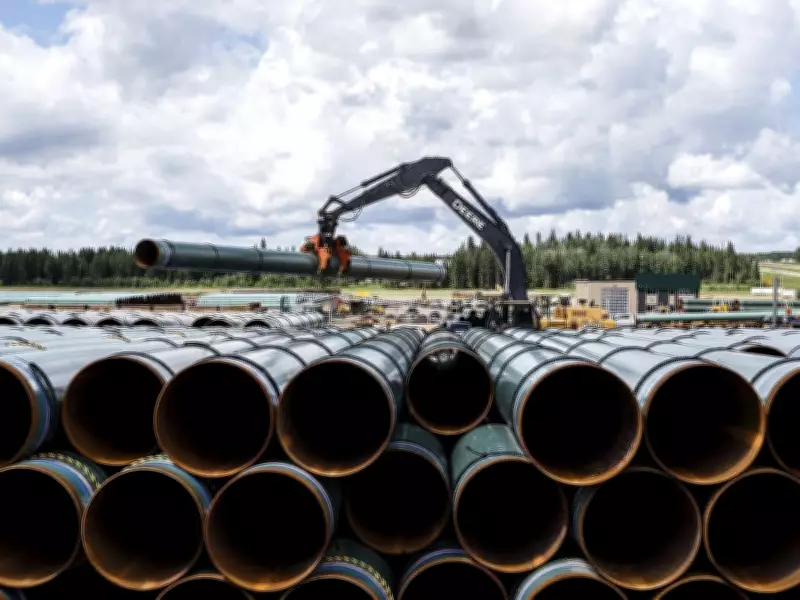
The Trans Mountain pipeline expansion project serves as a pertinent example of the complexities involved. While the pipeline represents crucial infrastructure for Canada's energy exports, its financing and ownership structure have been subjects of intense scrutiny. The involvement of foreign entities, particularly from China, could compromise Canada's control over this vital asset.

Geopolitical considerations play a substantial role in this assessment. China's expanding global influence and its strategic approach to energy resources worldwide raise legitimate questions about its intentions in Canada. The potential for political leverage through economic means cannot be overlooked.
Economic Vulnerabilities
Beyond security concerns, there are substantial economic risks. Chinese investment might initially appear attractive for funding large-scale projects, but it could lead to:
- Dependency on foreign capital for critical infrastructure
- Potential for political interference in energy policy
- Reduced Canadian control over pricing and distribution
- Complications in international trade relationships
The timing of this warning is particularly significant as Canada continues to navigate post-pandemic economic recovery while facing increasing global competition for energy resources. The country's energy sector represents not just an economic engine but a strategic asset that requires careful stewardship.
Broader Implications for Canadian Energy Policy
This analysis comes at a crucial juncture for Canadian energy policy. As the world transitions toward cleaner energy sources, decisions about infrastructure investment will have decades-long consequences. The recommendation to avoid Chinese investment reflects a broader strategy of maintaining national control over critical resources during this transitional period.
The debate extends beyond simple economics to encompass questions of national sovereignty, environmental stewardship, and Canada's position in the global energy landscape. While foreign investment can bring benefits, the specific risks associated with Chinese involvement in the energy sector appear to outweigh potential advantages according to this assessment.
As Canada continues to develop its energy infrastructure, particularly in the oil and gas sectors, these warnings serve as a reminder that not all investment is created equal. The long-term implications of ownership and control may prove more significant than short-term financial considerations.