Canadian Oil Producers Secure Higher Prices Through Hedging Amid Middle East Conflict
Oil prices surged dramatically on Tuesday as escalating conflict in the Middle East disrupted shipping through the critical Strait of Hormuz, pushing crude prices above US$74 per barrel. The price spike represents a significant increase from the below-$58 levels that characterized the beginning of the year, creating both opportunities and challenges for Canadian petroleum producers.
Strategic Hedging in Volatile Markets
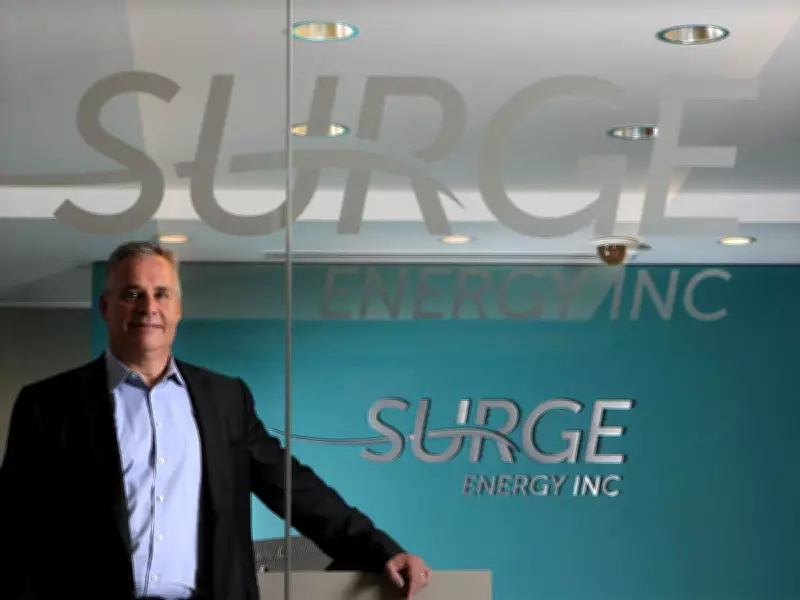
Canadian oil companies are responding to the market volatility by implementing sophisticated hedging strategies rather than immediately increasing capital expenditures. Paul Colborne, CEO of Calgary-based Surge Energy, explained the company's approach: "About a month-and-a-half ago, with $55 oil, we were like 'batten the hatches, tighten the belts.' And now, with $77 that it hit this morning, we're hedging. We put on some nice hedge positions to lock in our 2026 cash flows."
Colborne emphasized the importance of securing favorable prices during this period of uncertainty: "These are very volatile events right now, shaping the price. So we're just locking it in — and if it goes higher, I'll lock in some more."

Geopolitical Factors Driving Price Increases
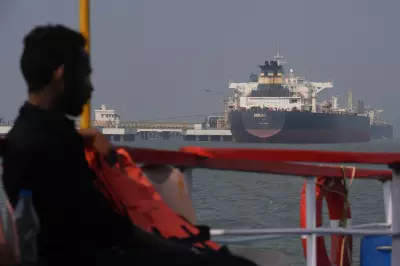
The price surge follows military actions that began on Saturday when the United States and Israel launched air strikes on Iran. Tehran responded by attacking neighboring Gulf states and energy infrastructure throughout the region. Iranian officials subsequently declared the strategic Strait of Hormuz closed, threatening to target and burn any ships attempting to navigate the vital waterway.
West Texas Intermediate crude closed Tuesday at US$74.56 per barrel, representing a daily increase of $3.33 and briefly topping $77 during trading. The Strait of Hormuz represents a critical global energy artery, with more than 20 million barrels of oil and petroleum products transported through the waterway daily. According to consultancy Rystad Energy, this accounts for nearly 30 percent of international seaborne crude trade, making it "the most critical oil choke point in the world" with limited bypass options.
Industry Response and Market Analysis
Susan Bell, senior vice-president at Rystad Energy, noted the market implications: "The loss of supply because of the closure of Strait of Hormuz is substantial, but the duration is still unknown, so we don't know if this is going to have lingering market impacts. The immediate impact is the markets are pricing in a sort of near-term supply shortage."
Bloomberg reported that Iraq has begun shutting in oil production at its largest fields due to the Strait of Hormuz closure. Bell added that once the waterway is secured, oil will resume flowing but at higher costs due to increased insurance premiums that will likely persist.
Canadian Industry Position and Outlook
As the world's fourth-largest oil producer, Canada stands to benefit from increased cash flow resulting from higher crude prices. Many companies, along with analysts and the provincial government, had anticipated oil prices averaging around US$60 per barrel this year due to global production exceeding demand and rising inventory levels.
Brian Schmidt, CEO of Tamarack Valley Energy, a mid-sized Western Canadian oil producer, explained the industry's cautious approach: "It's too soon for companies to start changing their capital expenditure plans, but some are securing higher prices during this period through their hedging programs."
This measured response reflects the Canadian oil sector's focus on financial discipline and risk management amid geopolitical uncertainty. While higher prices provide welcome revenue increases, producers are maintaining their existing spending plans while using sophisticated financial instruments to lock in favorable pricing for future production.