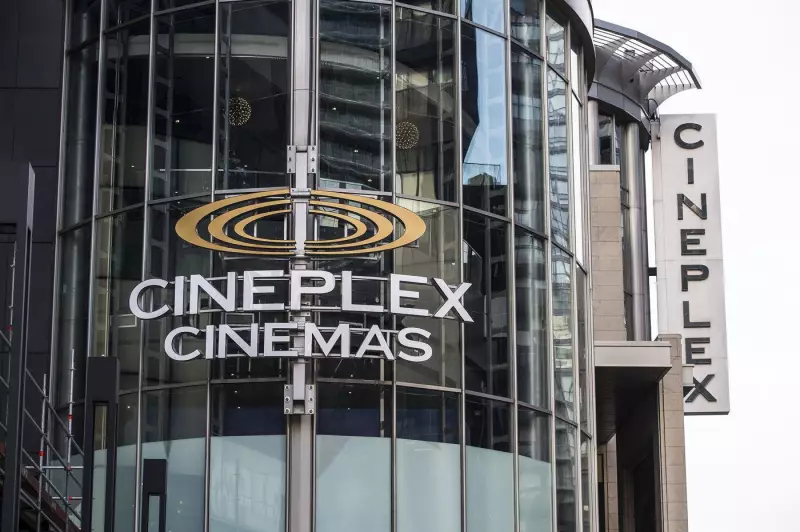
Cineplex Takes Drip Pricing Dispute to Supreme Court in Landmark Case
In a significant legal move, Cineplex Inc. is preparing to challenge a recent drip pricing decision before the Supreme Court of Canada. The entertainment giant aims to contest rulings that have mandated greater transparency in the disclosure of additional fees for movie tickets and concessions. This case represents a pivotal moment in Canadian consumer protection law, with potential implications for businesses across various sectors.
The Core of the Legal Battle
The dispute centers on what regulators have termed "drip pricing" practices, where mandatory fees are added incrementally during the purchasing process rather than being included in the initial advertised price. Cineplex has faced scrutiny over charges for online booking, convenience fees, and other supplementary costs that customers encounter when buying tickets through digital platforms.
Previous court decisions have generally favored consumer protection agencies, ruling that such practices can be misleading if not clearly disclosed upfront. However, Cineplex maintains that their fee structure is transparent and properly communicated to customers throughout the transaction process.

Broader Implications for Canadian Businesses
This Supreme Court challenge carries substantial weight beyond the entertainment industry. The outcome could establish important precedents for how businesses across Canada disclose additional charges, particularly in e-commerce and service industries where supplementary fees have become increasingly common.
Legal experts suggest the case may clarify the boundaries between legitimate business practices and potentially deceptive marketing, especially as digital transactions continue to dominate consumer purchasing behavior. The decision could influence regulations governing everything from airline tickets to concert bookings and hotel reservations.
Cineplex's Position and Industry Context
Cineplex, which operates numerous theaters across Canada including the prominent Cineplex Odeon Theatre at Yonge and Eglinton in Toronto, argues that their current pricing model reflects the actual costs of providing various services. The company contends that separating base prices from additional fees allows for greater pricing flexibility and more accurate representation of service components.
The entertainment industry has faced increasing pressure regarding pricing transparency as consumers become more sensitive to hidden costs and unexpected charges at checkout. This legal challenge comes at a time when consumer advocacy groups are pushing for clearer pricing regulations across multiple sectors.
What This Means for Canadian Consumers
Depending on the Supreme Court's decision, Canadian consumers could see changes in how prices are presented across various industries. A ruling in favor of stricter disclosure requirements might lead to:
- More comprehensive upfront pricing in entertainment and leisure sectors
- Clearer breakdowns of mandatory versus optional fees
- Potential changes to how businesses structure their pricing models
- Greater consistency in pricing transparency across different industries
The Supreme Court's consideration of this case underscores the ongoing tension between business operational flexibility and consumer protection in Canada's evolving marketplace. As digital transactions continue to grow, finding the right balance between these competing interests remains a critical challenge for regulators, businesses, and consumers alike.