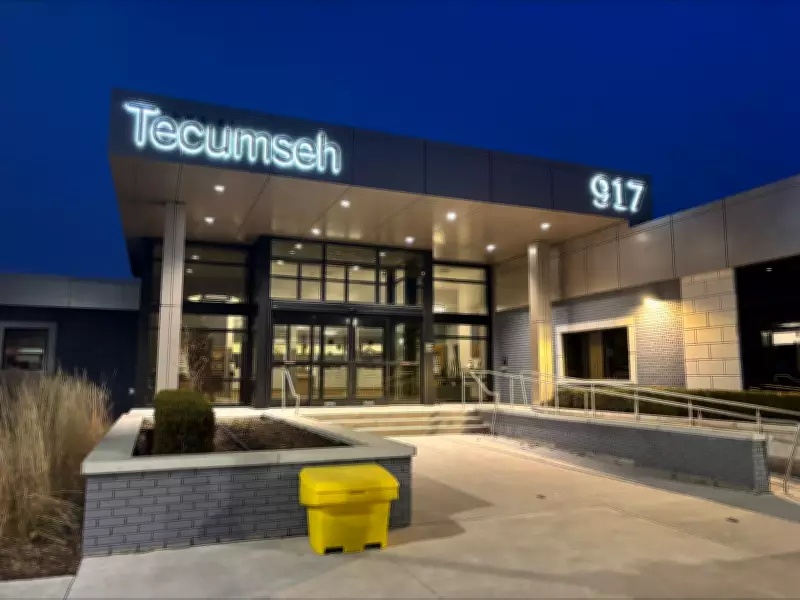
The Town of Tecumseh has unveiled a significant update to its waste management strategy, with plans to implement bi-weekly garbage collection starting in 2027. This move marks a shift from the current weekly pickup schedule, as municipal officials seek to improve operational efficiency and promote environmental stewardship.
Details of the Transition
According to local authorities, the decision to adopt bi-weekly garbage pickup was made after extensive consultations and analysis of waste disposal trends. The new system is expected to reduce collection costs and lower the town's carbon footprint by decreasing the frequency of garbage truck routes. Residents will receive detailed information on the changes, including updated collection calendars and guidelines for proper waste sorting.
Environmental and Economic Impacts
Environmental benefits are a key driver behind this policy shift. By reducing the number of collection days, Tecumseh aims to cut down on fuel consumption and greenhouse gas emissions associated with waste transportation. Additionally, the town hopes to encourage residents to increase recycling and composting efforts, aligning with broader sustainability goals.

From an economic perspective, the transition is projected to generate savings for the municipality. These funds could be redirected to other public services or infrastructure projects. However, officials acknowledge that some residents may need time to adjust to the new schedule, and they plan to launch an educational campaign to support the community through the change.
Community Response and Future Steps
Initial reactions from Tecumseh residents have been mixed, with some expressing concerns about potential odors or overflow issues with less frequent pickups. In response, the town has committed to monitoring the implementation closely and making adjustments as needed. Public feedback sessions will be held in the coming months to address questions and gather input on the rollout.
Looking ahead, Tecumseh's move to bi-weekly garbage collection is part of a larger trend among municipalities seeking to modernize waste management practices. By 2027, the town aims to have a fully integrated system that supports a cleaner, more sustainable environment for all its citizens.