

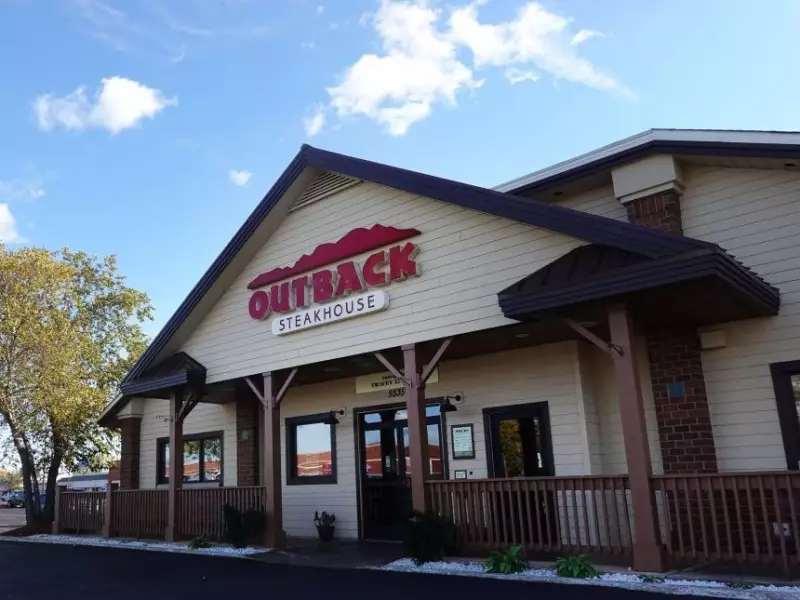
A Florida man has launched a lawsuit against the Outback Steakhouse restaurant chain, alleging he suffered a severe bodily injury when a toilet he was using suddenly shattered and collapsed.
Details of the Shattering Incident
The legal complaint, filed by Michael Green, states the incident occurred on March 26 at the chain's location in Ocala, Florida. According to the filing obtained by the Independent, Green was using the handicap stall when the toilet gave way without warning.
"The toilet suddenly shattered and collapsed beneath [him], causing him to fall," the lawsuit claims. The resulting injuries are described as significant, including what the suit calls a "severe bodily injury."

Allegations of Negligence and Lasting Harm
Green's legal team accuses the Australia-inspired steakhouse of negligence. They argue the restaurant failed in its duty to properly maintain and inspect the restroom facilities. A key allegation is that Outback did not "ensure the toilet was secured to the floor."
The complaint further states the restaurant knew or should have known about the dangerous condition and failed to either warn patrons or fix the problem. As a consequence of the fall, Green says he has endured:
- Pain and suffering
- Significant medical expenses
- Lost wages
- A permanent loss of an important bodily function and/or permanent scarring
He is seeking damages exceeding $50,000, not including interest or legal costs, according to the lawsuit.
Lawsuit Coincides with Chain's Turnaround Plan
This legal action emerges as Outback Steakhouse's parent company, Bloomin' Brands, executes a major strategy to revitalize the brand. Founded in Tampa in 1988, the chain recently closed 21 underperforming locations.
Bloomin' Brands has now committed a substantial investment of between $50 million and $75 million to improve the customer experience. The Independent reports this "comprehensive turnaround strategy" includes:
- Enhancing steak quality and customer service
- Simplifying the menu and boosting marketing
- Remodeling nearly all remaining locations
Approximately half of the planned investment is earmarked for food quality improvements, with a large portion scheduled for 2026.






