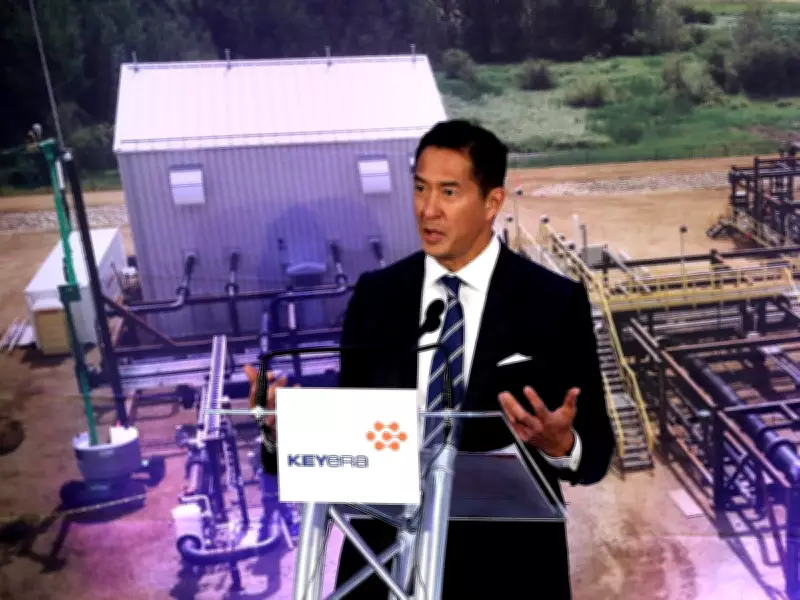
The European Commission recently announced it will relax merger rules to foster global champions that can compete with U.S. and Chinese firms. This move should resonate with Canada's Competition Bureau, currently reviewing Keyera Corp.'s $5-billion acquisition of U.S.-based Plains All American Pipeline LP's Canadian assets.
EU's Bold Step Toward Global Competitiveness
The EU will now evaluate transactions based on innovation, investment, and resilience, sidelining traditional concentration concerns to encourage larger, more competitive entities. This shift mirrors the vision of Canadian business icon Dick Haskayne, who in his 2007 book Northern Tigers advocated for creating Canadian global champions.
Canada's History of Lost Champions
Haskayne's book, inspired by MacMillan Bloedel's takeover by Weyerhaeuser in 1999, highlights a pattern of Canadian companies being acquired by foreign entities. Examples include Inco Ltd., Falconbridge Ltd., Nova Chemicals Corp., and Viterra Ltd., all bought by international players. Keyera's proposed deal runs counter to this trend, aiming to build a Canadian champion.

The acquisition would expand Keyera's reach from Alberta to a national stage, establishing a fully connected natural gas liquids corridor from the West Coast to eastern Canada. It would bolster Canadian ownership of domestic assets at a time when economic sovereignty is a priority. Additionally, it would increase exports, supporting the federal government's goal of diversifying trade beyond the U.S.
Ottawa's Vision for Canadian Champions
Industry Minister Melanie Joly outlined this vision in a fall speech, stating, 'When it comes to creating jobs, we will be building Canadian champions. We need bigger Canadian companies.' The Competition Bureau now faces a choice: embrace this bold strategy or adhere to traditional competition rules that may hinder the creation of a Northern Tiger.