NY Professor Selected to Help Plan NASA's Artemis Moon Mission Research
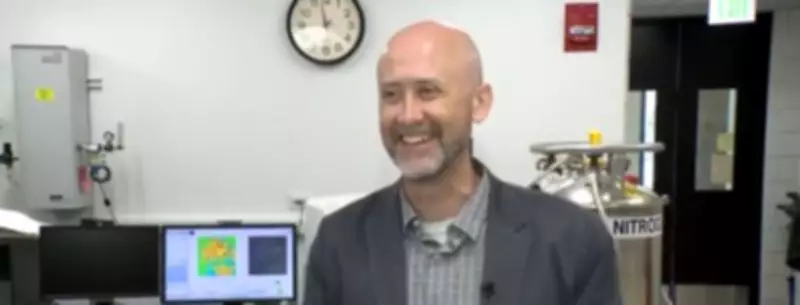
NASA has enlisted the expertise of a distinguished New York academic to help shape the scientific future of its Artemis lunar exploration program. Professor Timothy Glotch from Stony Brook University is one of only ten scientists across the United States chosen to develop and guide research plans for the upcoming Artemis missions, which aim to return humans to the Moon and establish a sustainable presence.
Elite Scientific Advisory Role
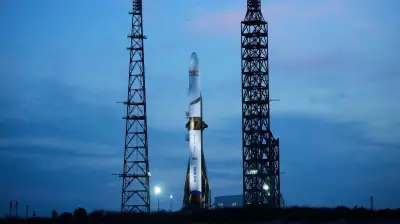
The selection places Professor Glotch in a pivotal advisory position within NASA's Artemis Science Team. This team is responsible for defining key research objectives, prioritizing scientific investigations, and ensuring that the missions yield maximum knowledge about the lunar environment. The Artemis program, building on the legacy of Apollo, seeks to explore more of the Moon's surface than ever before, with a focus on the lunar South Pole and its potential resources like water ice.
"Being part of this team is an incredible honor and a tremendous responsibility," said Professor Glotch, whose research at Stony Brook focuses on planetary science and remote sensing. "The Artemis missions represent a historic opportunity to advance our understanding of the Moon and prepare for future human exploration of Mars. Our goal is to design a research portfolio that answers fundamental questions about lunar geology, resource availability, and the Moon's history."

Integrating Academic Expertise into Space Exploration
NASA's collaboration with university researchers like Glotch underscores the agency's commitment to integrating cutting-edge academic science into its exploration efforts. The ten selected scientists will work closely with NASA engineers, mission planners, and other stakeholders to ensure that scientific goals are technically feasible and aligned with mission architectures. This includes planning for the Artemis II mission, which will carry astronauts around the Moon, and subsequent landings.
The involvement of professors and researchers from institutions nationwide highlights the collaborative nature of modern space exploration. It leverages diverse expertise in fields such as geology, astrophysics, and environmental science to create a comprehensive scientific strategy. This approach not only enhances the missions' scientific output but also fosters innovation and training for the next generation of scientists and engineers.
Broader Implications for Space Science and Education
Professor Glotch's role extends beyond immediate mission planning; it also impacts education and public engagement. His participation brings real-world space exploration into the academic sphere, providing students at Stony Brook and other institutions with insights into NASA's processes and challenges. This can inspire future STEM professionals and increase public interest in space science.
The Artemis program is scheduled to launch its next crewed mission, Artemis II, in the coming years, with the goal of breaking the distance record set by Apollo 13. As preparations accelerate, the input from Glotch and his colleagues will be crucial in ensuring that these missions deliver groundbreaking scientific discoveries while paving the way for sustained human presence on the Moon and beyond.