NASA Launches Groundbreaking 'Organ Chips' Experiment with Artemis II Crew Cells
In a pioneering move for space medicine, NASA has dispatched a unique scientific payload containing 'organ chips' derived from the cells of the Artemis II astronauts. This advanced research initiative, launched into orbit, is designed to meticulously analyze how the human body responds to the rigors of spaceflight at a microscopic, cellular level.
A New Frontier in Space Biology Research
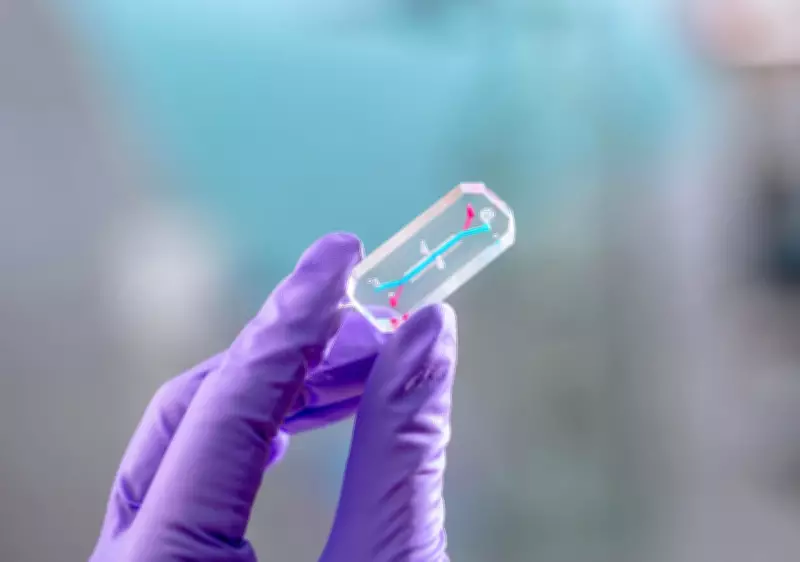
The organ chips are sophisticated, miniature devices that simulate the functions and responses of human organs. By incorporating live cells from the Artemis II crew members—including Canadian astronaut Jeremy Hansen—scientists can observe real-time biological changes induced by microgravity and space radiation. This method provides a high-fidelity model of human physiology without requiring the astronauts to undergo invasive procedures during their mission.
This experiment represents a significant leap from traditional space biology studies, which often rely on animal models or post-flight analysis. The data gathered will be instrumental in understanding specific cellular stressors and could lead to the development of targeted countermeasures to protect astronaut health on long-duration voyages, such as future missions to Mars.

Implications for Future Deep Space Exploration
The primary objective is to build a comprehensive dataset on human resilience in space. Researchers are particularly interested in:
- Immune system function in a microgravity environment.
- Cellular aging and DNA damage from cosmic radiation.
- Muscle and bone density loss at the tissue level.
- The efficacy of potential pharmaceutical interventions in space.
"This isn't just about the Artemis II mission; it's about securing the future of human space exploration," explained a NASA biomedical official. "By understanding these fundamental biological processes, we can design better habitats, improve nutritional plans, and create more effective exercise regimens for astronauts."
Connecting Earth and Space
The launch of these organ chips coincides with personal milestones for the crew families. Dr. Catherine Hansen, wife of astronaut Jeremy Hansen, shared that the crew reassured her she could finally relax 'after splashdown.' This human element underscores the balance between cutting-edge science and the personal journeys of those who venture into space.
As the Artemis II mission progresses towards its lunar flyby and subsequent return, the organ chips experiment will operate autonomously in orbit, transmitting valuable data back to Earth. The findings are expected to contribute not only to astronaut health protocols but also to advance terrestrial medicine, particularly in understanding diseases related to aging and immobility.