Elon Musk's Visionary Merger Aims for Data Centers in Orbit
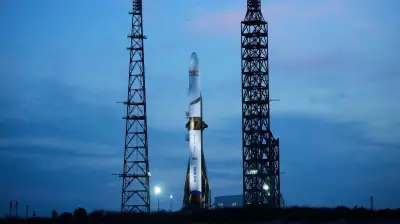
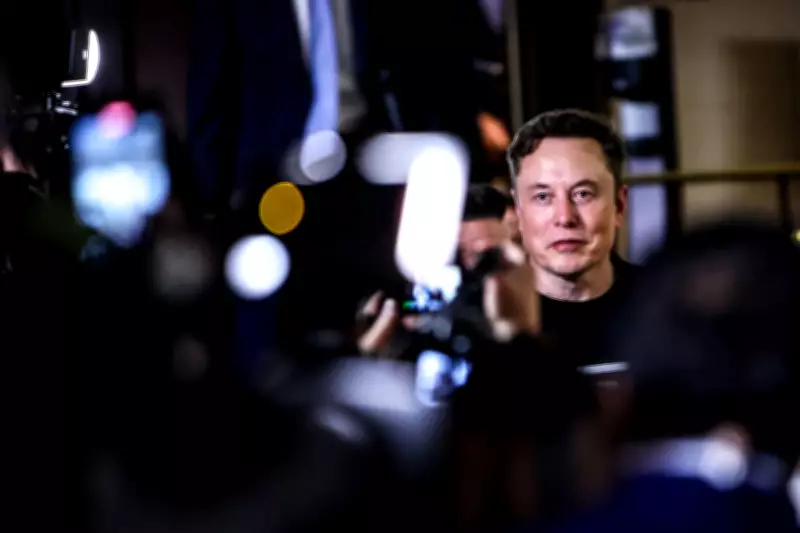
In a move that seems plucked from science fiction, Elon Musk is reportedly advancing plans to merge his aerospace giant SpaceX with his artificial intelligence venture xAI. This strategic consolidation is centered on an ambitious goal: deploying advanced data centers into space. The initiative represents a significant bet on the future of computing infrastructure, leveraging the unique advantages of the orbital environment.
The Strategic Rationale Behind the Space-Based Data Push
The proposed merger is not merely a corporate restructuring; it is a foundational step toward solving terrestrial limitations in data processing and artificial intelligence development. Space-based data centers could offer unparalleled benefits, including enhanced cooling capabilities in the vacuum of space, reduced latency for global communications, and potentially limitless expansion free from earthly real estate constraints. By combining SpaceX's proven launch and spacecraft capabilities with xAI's cutting-edge AI research, Musk aims to create a vertically integrated powerhouse capable of realizing this vision.
This endeavor underscores a broader trend in the technology sector, where the boundaries between aerospace, computing, and AI are increasingly blurring. The merger, if successful, could position the combined entity at the forefront of a new industrial era, fundamentally altering how data is stored, processed, and utilized on a planetary scale. It reflects Musk's long-stated ambition to make humanity a multi-planetary species, with advanced orbital infrastructure serving as a critical stepping stone.

Potential Impacts and Industry Implications
The implications of establishing functional data centers in space are profound. For the technology and business sectors, it could lead to:
- Revolutionized global internet and cloud services with potentially faster and more resilient networks.
- New paradigms for AI model training, utilizing the isolation and resources of space.
- Significant advancements in satellite technology and space manufacturing.
- A potential shift in the competitive landscape, challenging existing data center and cloud service providers.
While the technical and regulatory hurdles are substantial—including concerns about space debris, radiation hardening of equipment, and immense capital costs—Musk's track record with disruptive ventures suggests this proposal will be taken seriously by investors and industry observers alike. The merger talks highlight the accelerating convergence of frontier technologies and the growing willingness of visionary entrepreneurs to place high-stakes bets on futuristic infrastructure projects that could redefine our technological capabilities for decades to come.