Artemis II Re-entry: Navigating Earth's Atmosphere Safely
NASA's Artemis II mission, a landmark crewed lunar flyby, is approaching its most critical phase: re-entry into Earth's atmosphere. This high-stakes maneuver marks the culmination of the astronauts' journey back from the Moon, requiring precise engineering and careful planning to ensure a safe splashdown. As the crew, including Canadian astronaut Jeremy Hansen, prepares for this final stretch, scientists and engineers are closely monitoring every detail to mitigate risks associated with extreme heat and velocity.
The Physics of Atmospheric Re-entry
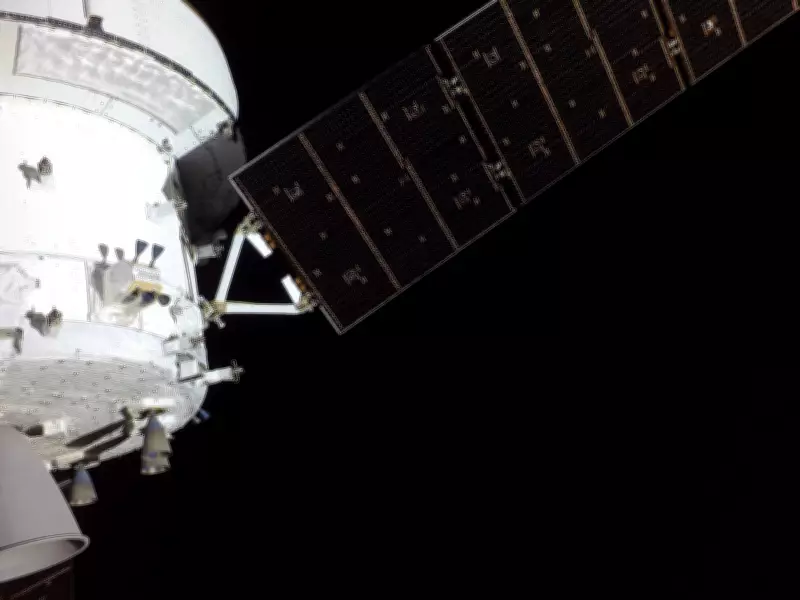
Re-entry involves the spacecraft plunging into Earth's atmosphere at speeds exceeding 25,000 miles per hour, generating intense friction that heats the exterior to thousands of degrees. NASA utilizes a heat shield made of advanced materials to protect the Orion capsule and its occupants. This shield ablates, or slowly burns away, dissipating heat and preventing it from reaching the interior. The process is a delicate balance of aerodynamics and thermal management, honed through decades of spaceflight experience from programs like Apollo.
Key Challenges and Safety Protocols
Several factors make re-entry particularly hazardous. Atmospheric conditions, such as density variations, can affect trajectory, while communication blackouts may occur due to plasma buildup around the capsule. NASA employs redundant systems and real-time tracking to address these issues. Additionally, the crew undergoes extensive training to handle potential emergencies, such as guidance failures or parachute malfunctions during descent. Public watch parties, like the one at Telus Spark, highlight the global interest in this momentous event.

Historical Context and Future Implications
Artemis II builds on Apollo traditions, including naming lunar features after loved ones, but incorporates modern technology for enhanced safety. Successful re-entry validates systems for future missions, such as Artemis III's planned lunar landing. As Prime Minister Carney noted in a call with the crew, this mission "sets a platform for the world to go even farther," underscoring its role in advancing human space exploration and international collaboration.
In summary, the Artemis II re-entry is a testament to human ingenuity, blending historical knowledge with cutting-edge innovation to safely return astronauts from deep space.