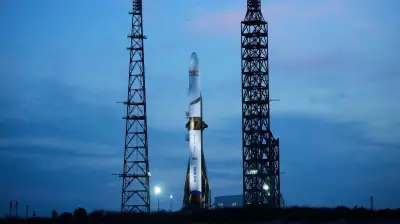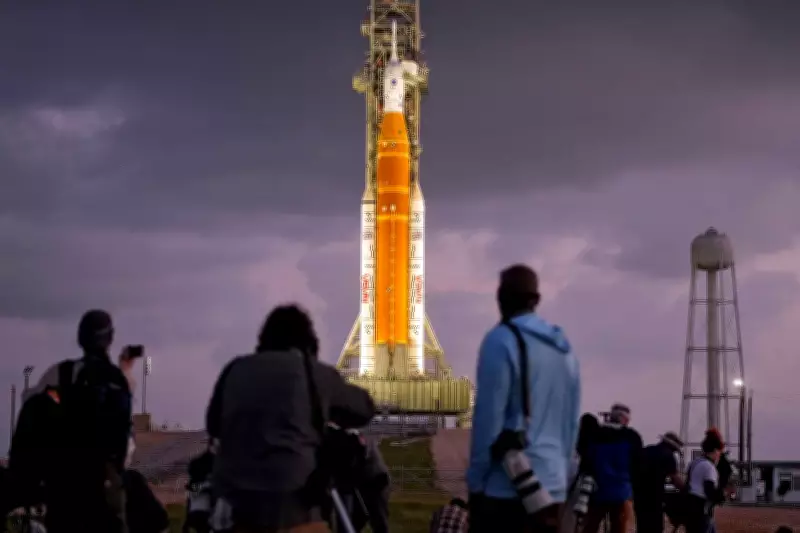
The Artemis II mission, a pivotal step in NASA's ambitious lunar exploration program, is serving as a powerful catalyst for the expansion of Canada's space economy. This collaborative endeavor is not merely about reaching the moon; it represents a substantial economic opportunity, driving innovation, creating high-skilled jobs, and positioning Canadian companies on the global stage.
Strategic Partnerships and Economic Momentum
At the heart of this growth is the strategic partnership between NASA and Canadian aerospace firms. Mike Greenley, CEO of MDA Space, recently highlighted the mission's profound impact during an interview. "The Artemis II launch is a testament to international collaboration and a significant driver for our sector," Greenley stated, emphasizing how such projects validate Canada's technological capabilities and attract further investment.
The mission leverages Canadian expertise, particularly in robotics and space systems, which are critical components for lunar exploration. This involvement ensures that domestic companies are integral to the supply chain, fostering a robust ecosystem of suppliers, researchers, and engineers.

Job Creation and Technological Spillovers
Beyond the immediate project, the Artemis II mission is generating widespread economic benefits. It is catalyzing job creation across various disciplines, including engineering, software development, and advanced manufacturing. These roles often require specialized skills, contributing to the development of a highly trained workforce that can compete in the global space market.
Furthermore, the technological advancements necessitated by the mission—such as improvements in life support systems, communication technologies, and materials science—are expected to have valuable spillover effects into other industries. These innovations can potentially be adapted for use in sectors like telecommunications, healthcare, and environmental monitoring, thereby multiplying the economic impact.
Public Engagement and Future Prospects
The excitement surrounding Artemis II is also fostering public engagement with space science. Events like viewing parties at institutions such as the Telus Spark science centre in Calgary demonstrate growing national interest. This public support is crucial for sustaining long-term investment in space exploration and related STEM education initiatives.
Looking ahead, Canada's involvement in Artemis II sets a precedent for future international space projects. It strengthens the country's position as a reliable and innovative partner, opening doors to subsequent missions and commercial space ventures. The mission underscores a strategic shift where space exploration is increasingly viewed not just as a scientific pursuit, but as a viable and growing economic sector with tangible benefits for the national economy.