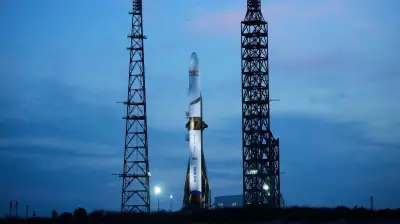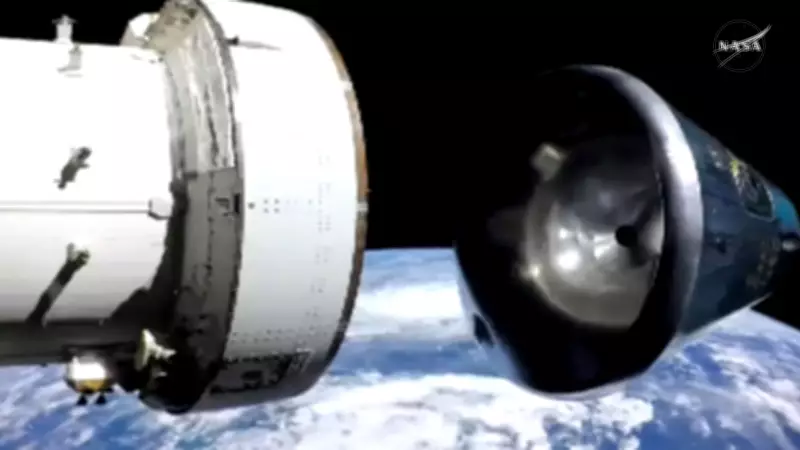
Artemis II Crew Completes Historic Splashdown Return to Earth
The Artemis II mission has reached its triumphant conclusion, with the crew safely returning to Earth via a dramatic splash-landing. This event marks a significant milestone in humanity's renewed efforts to explore the Moon and beyond, showcasing advanced space technology and human endurance.
Dramatic Re-Entry and Splashdown
The crew experienced intense conditions during re-entry into Earth's atmosphere, with reports indicating they felt pressure equivalent to four times their body weight. This phase, often described as the most dangerous part of the mission, required precise execution to ensure a safe descent. The splashdown itself was monitored live, capturing global attention as the capsule made contact with the ocean waters.
Mission Significance and Public Engagement
Artemis II represents a critical step in NASA's broader lunar exploration program, testing systems and procedures for future manned missions to the Moon. Public interest was high, with watch parties organized, including one at the Canadian Space Agency headquarters, reflecting widespread excitement. The mission's unique re-entry profile distinguished it from previous returns, highlighting advancements in aerospace engineering.

Broader Context and Future Implications
This successful return bolsters confidence in international space collaborations and sets the stage for Artemis III, which aims to land astronauts on the lunar surface. The data collected during re-entry and splashdown will inform safety protocols and technological refinements for upcoming missions. As space agencies push boundaries, events like this underscore the growing role of space exploration in scientific and public discourse.
The Artemis II crew's safe homecoming not only celebrates a technical achievement but also inspires future generations to look skyward, reinforcing the enduring human drive to explore the cosmos.