Instagram Head Testifies in Landmark Social Media Trial, Denies Clinical Addiction
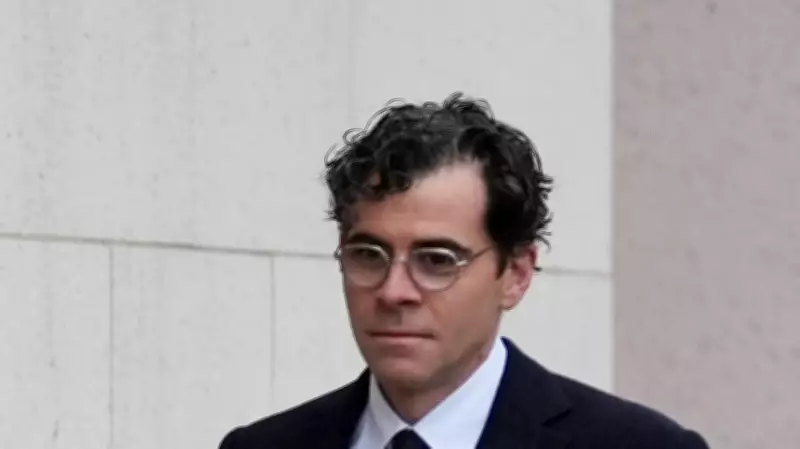
Adam Mosseri, the head of Meta's Instagram, testified on Wednesday during a pivotal social media trial in Los Angeles, firmly stating his disagreement with the notion that people can be clinically addicted to social media platforms. This testimony forms a crucial element of the case, where plaintiffs are seeking to hold social media companies accountable for alleged harms inflicted on children who use their services. Meta Platforms and Google's YouTube remain as the two primary defendants in this litigation, following settlements by TikTok and Snap.
Bellwether Trials and Key Plaintiff
At the heart of the Los Angeles proceedings is a 20-year-old individual identified only by the initials "KGM," whose lawsuit could potentially set a precedent for thousands of similar legal actions against social media corporations. She, along with two other plaintiffs, has been selected for bellwether trials, which serve as test cases allowing both sides to evaluate how their arguments resonate with a jury before broader litigation unfolds.
Mosseri emphasized the importance of distinguishing between clinical addiction and what he described as problematic use. However, the plaintiff's attorney, Mark Lanier, confronted him with direct quotes from a podcast interview several years prior, where Mosseri appeared to contradict his current stance. In response, Mosseri clarified that he had likely used the term "addiction" too casually during that interview, a common tendency among people.

Qualifications and Personal Experience
When questioned about his qualifications to comment on the legitimacy of social media addiction, Mosseri acknowledged he is not a medical expert. He revealed that someone "very close" to him has experienced serious clinical addiction, which he said motivates him to be "careful with my words." He explained that he and his colleagues prefer the term "problematic use" to describe situations where individuals spend more time on Instagram than they feel comfortable with, admitting that such occurrences definitely happen.
Mosseri asserted that it is "not good for the company, over the long run, to make decisions that profit for us but are poor for people's wellbeing," highlighting a balance between business interests and user welfare.
Debate Over Cosmetic Filters and Emotional Courtroom Moments
The testimony included a lengthy exchange between Mosseri and Lanier regarding cosmetic filters on Instagram that alter users' appearances in ways that seemingly promote plastic surgery. Mosseri defended the platform's approach, stating, "We are trying to be as safe as possible but also censor as little as possible."
In the courtroom, bereaved parents of children who have struggled with social media issues appeared visibly distressed during discussions about body dysmorphia and cosmetic filters. Meta had previously shut down all third-party augmented reality filters in January 2025. Following these emotional displays, the judge reminded the public audience not to indicate agreement or disagreement with testimony, deeming it "improper to indicate some position."
Safety Features and Ongoing Challenges
In recent years, Instagram has introduced numerous features and tools aimed at enhancing safety for young users. Despite these efforts, challenges persist. A report from last year revealed that teen accounts created by researchers were recommended age-inappropriate sexual content, including graphic sexual descriptions, cartoons depicting demeaning sexual acts, and brief nudity.
Additionally, the report found that Instagram recommended a "range of self-harm, self-injury, and body image content" on teen accounts, which it stated "would be reasonably likely to result in adverse impacts for young people, including teenagers experiencing poor mental health, or self-harm and suicidal ideation and behaviors." Meta responded by calling the report "misleading, dangerously speculative" and argued that it misrepresents the company's ongoing efforts to ensure teen safety.
Concurrently, Meta is facing a separate trial in New Mexico that commenced this week, further intensifying the legal scrutiny on the social media giant's practices and their impact on youth.