The Canadian government is proposing stricter privacy rules that would limit businesses from using personal data to charge consumers higher prices, while giving individuals more power over their own information.
New Legislation Targets Surveillance Pricing
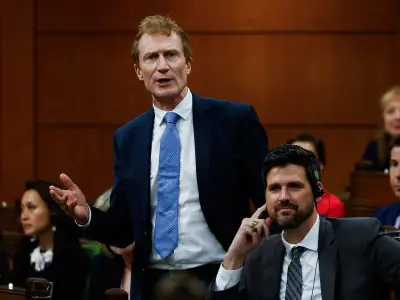
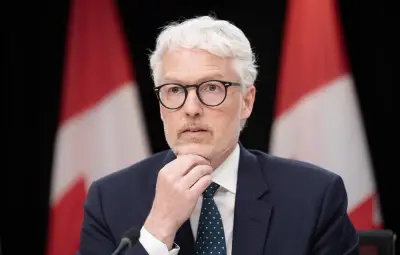
Prime Minister Mark Carney’s government released legislation on Monday to update the country’s privacy laws. Artificial Intelligence Minister Evan Solomon said the changes would restrict so-called surveillance pricing but stop short of banning it entirely.
“Companies should not have the ability to use your behaviour, your location, your profile, your vulnerabilities, or your personal information to charge unfair prices. Your personal information should not be used against you for price gouging,” Solomon told reporters.

Balancing Consumer Protection and Business Practices
The minister stated that the legislation aims to bar the use of data to target consumers with individualized prices when the harms outweigh the benefits. However, the government does not want to prohibit companies from rewarding consumers with better prices through loyalty reward programs, for example.
Some jurisdictions in Canada and the United States have already taken steps to address the use of artificial intelligence and algorithms to charge consumers more for products and services. Manitoba’s provincial government has brought forward legislation to outlaw surveillance pricing, while a new law in Maryland makes it illegal for grocers and third-party delivery services to use personal data to charge higher prices.
Public Opinion on Algorithmic Pricing
The practice is also known as algorithmic pricing. A poll conducted by Abacus Data earlier this year found that about half of Canadians said it should be banned, while almost a third said it should be allowed but more strictly regulated.
Additional Privacy Protections Proposed
If passed, the new law would also require organizations to disclose more information about automated decisions, give Canadians the right to have their information deleted under certain circumstances, and force businesses to treat children’s data as sensitive.
The government is also planning to create a new regulator to oversee compliance with privacy laws in the private sector, as well as the proposed Digital Safety Act, which aims to safeguard children online. The Office of the Privacy Commissioner of Canada would still be responsible for overseeing government compliance with federal privacy laws.
Penalties for Non-Compliance
The regulator would be able to administer penalties of up to $10 million or three per cent of global revenue, whichever is greater, for non-compliance with the rules, the government said. However, the most serious offences could face fines of as much as $25 million or five per cent of global revenue.