Ancient Dice Uncover Native American Gaming Traditions Dating to Ice Age
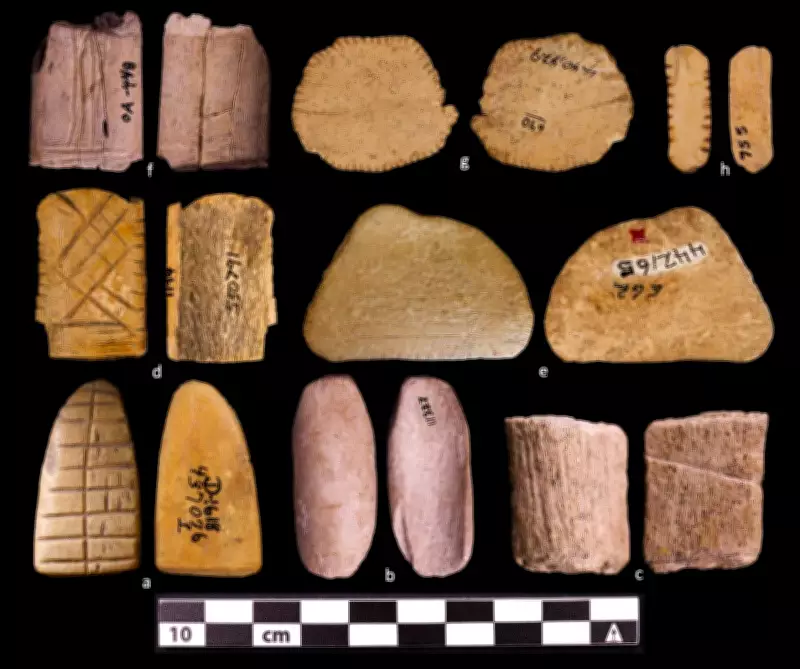
Recent archaeological findings have brought to light compelling evidence that Native American societies may have been involved in gaming activities since the last ice age. The discovery of prehistoric dice, meticulously crafted from natural materials, suggests that these early cultures possessed not only survival skills but also a rich tradition of leisure and social interaction through games.
Artifacts Point to Early Cultural Practices
The dice, which are among the earliest known examples from North America, were found in various archaeological sites across the continent. These artifacts, often made from bone, stone, or antler, display markings and shapes that indicate their use in games of chance or strategy. Researchers note that the uniformity in design across different regions hints at a widespread cultural practice, possibly used for entertainment, ritual purposes, or social bonding.
This discovery challenges previous assumptions about the timeline of gaming in human history, pushing it back thousands of years earlier than previously documented. The ice age, a period marked by harsh climatic conditions, was once thought to be solely focused on survival, but these dice reveal a more nuanced picture of early human life, where creativity and play were integral parts of society.

Implications for Understanding Native American History
The analysis of these dice involves advanced techniques such as radiocarbon dating and microscopic examination, which have confirmed their age and usage. Experts believe that gaming could have served multiple functions in Native American communities, including:
- Strengthening social ties through communal activities.
- Providing a means of decision-making or conflict resolution.
- Offering entertainment during long winters or periods of isolation.
These insights add a new dimension to our understanding of indigenous cultures, highlighting their ingenuity and adaptability. The dice not only represent a form of pastime but also reflect the cognitive and artistic abilities of early Native Americans, who crafted these objects with precision and care.
Broader Context in Archaeological Research
This finding aligns with other global discoveries of ancient gaming artifacts, such as dice found in Mesopotamia and Asia, suggesting that gaming is a universal human trait with deep historical roots. However, the Native American examples are particularly significant due to their age and the environmental context of the ice age, which was characterized by extreme cold and limited resources.
Future research aims to explore more sites and artifacts to build a comprehensive timeline of gaming in the Americas. Scientists hope that further excavations will uncover additional evidence, such as game boards or related tools, to paint a fuller picture of these early cultural practices. This ongoing investigation underscores the importance of preserving archaeological sites and respecting indigenous heritage in historical studies.