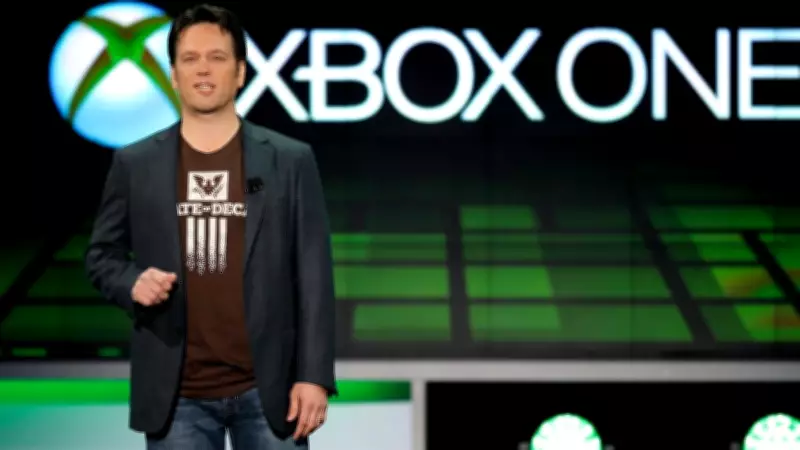
Xbox Boss Phil Spencer Steps Down as Microsoft Reorganizes Gaming Division
In a major shakeup for the video game industry, Microsoft has announced the retirement of Phil Spencer, the longtime head of its Xbox division. The move comes as part of a broader restructuring of the company's gaming unit, signaling a strategic shift for one of the world's largest technology corporations.
End of an Era for Xbox Leadership
Phil Spencer, who has been with Microsoft for over three decades and led the Xbox brand since 2014, will be stepping down from his position effective immediately. Spencer is widely credited with revitalizing the Xbox brand during his tenure, overseeing the launch of the Xbox One S and Xbox Series X/S consoles, expanding the Xbox Game Pass subscription service, and orchestrating Microsoft's acquisition of numerous game studios including Bethesda parent company ZeniMax Media and Activision Blizzard.
The retirement announcement was made public on February 20, 2026, though Microsoft has not yet revealed specific details about Spencer's future plans or the circumstances surrounding his departure. Industry analysts note that Spencer's leadership coincided with Xbox's transformation from a console-focused business to a broader gaming ecosystem encompassing cloud gaming, subscription services, and cross-platform experiences.

Microsoft's Gaming Unit Reorganization
Alongside Spencer's retirement, Microsoft confirmed it is implementing significant changes to its gaming organizational structure. While the company has not disclosed full details of the restructuring, sources indicate it involves consolidating various gaming teams and potentially reassigning responsibilities across the division.
This reorganization comes at a critical juncture for Microsoft's gaming ambitions, as the company continues to integrate its massive $68.7 billion acquisition of Activision Blizzard, completed in late 2023. The integration has presented numerous challenges, including regulatory scrutiny and the merging of corporate cultures across multiple gaming studios.
Industry Impact and Future Direction
The departure of such a prominent figure in the gaming industry is expected to have ripple effects throughout the competitive landscape. Under Spencer's leadership, Xbox adopted a more platform-agnostic approach, bringing many first-party titles to competing systems like PlayStation and Nintendo Switch while simultaneously building its Xbox Cloud Gaming service.
Microsoft has not yet named a permanent successor to Spencer, though industry observers speculate that the company may look internally for candidates familiar with its evolving gaming strategy. The timing of the leadership change raises questions about how Microsoft will navigate ongoing challenges in the gaming market, including:
- Maintaining momentum for Xbox Game Pass amid increasing competition
- Managing the integration of Activision Blizzard's extensive portfolio
- Developing next-generation gaming hardware and services
- Addressing regulatory concerns about market concentration
As Microsoft reshapes its gaming leadership, the industry will be watching closely to see how the company's strategy evolves in the post-Spencer era. The restructuring suggests Microsoft is positioning itself for the next phase of gaming innovation, potentially with greater emphasis on artificial intelligence integration, cloud infrastructure, and cross-platform experiences that extend beyond traditional console boundaries.