Saskatoon Man Questions Ethics After Sister's Obituary Modified Online
A resident of Saskatoon has come forward with serious ethical concerns after discovering that his sister's online obituary was altered without his knowledge or consent. This incident has sparked a broader conversation about digital privacy and the integrity of memorialization in the internet age.
Unwanted Changes to a Personal Tribute
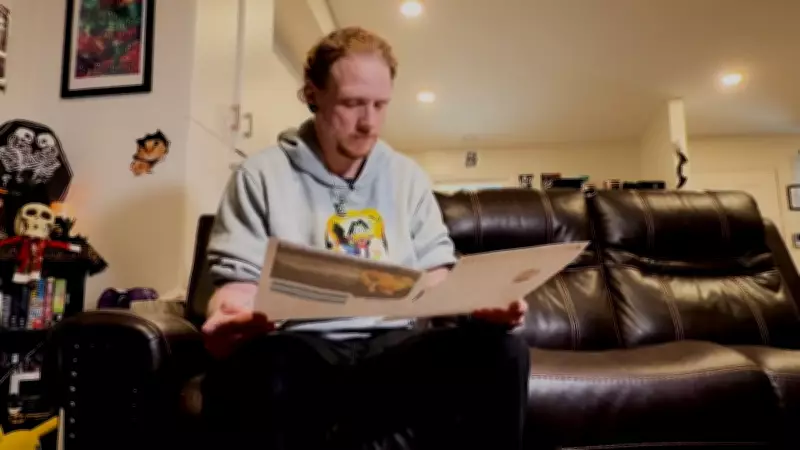
Matthew Marinelli, the Saskatoon man at the center of this issue, was reviewing his sister's online obituary when he noticed significant modifications that he did not authorize. The alterations included changes to biographical details and personal sentiments, which Marinelli found deeply distressing during a time of mourning.
"It felt like a violation of her memory and our family's privacy," Marinelli stated, emphasizing the emotional impact of the unauthorized edits. The obituary, intended as a respectful tribute, became a source of additional grief due to these unexpected changes.

Broader Implications for Digital Memorials
This case raises important questions about who controls digital content after a person's passing and what ethical standards should apply to online memorials. As more obituaries and tributes migrate to digital platforms, incidents like this highlight potential vulnerabilities in how such sensitive information is managed.
Key concerns emerging from this situation include:
- The need for clear consent protocols when posting or modifying memorial content
- Questions about platform responsibility in preventing unauthorized changes
- The emotional consequences for grieving families when digital tributes are altered
- Legal considerations regarding digital assets and posthumous privacy rights
Navigating the Digital Afterlife
Experts in digital ethics note that as our lives become increasingly documented online, so too do our deaths. The management of digital legacies—from social media accounts to online obituaries—presents new challenges that existing laws and norms may not adequately address.
Marinelli's experience serves as a cautionary tale for families navigating loss in the digital era. It underscores the importance of understanding platform policies, securing appropriate permissions, and considering how digital memorials might be vulnerable to unwanted changes.
The incident has prompted discussions about whether additional safeguards or regulations might be necessary to protect the integrity of online tributes and ensure they serve their intended purpose of honoring the deceased while respecting the wishes of surviving family members.