Western University Researchers Unlock Algae's Potential for Vitamins and Biofuel
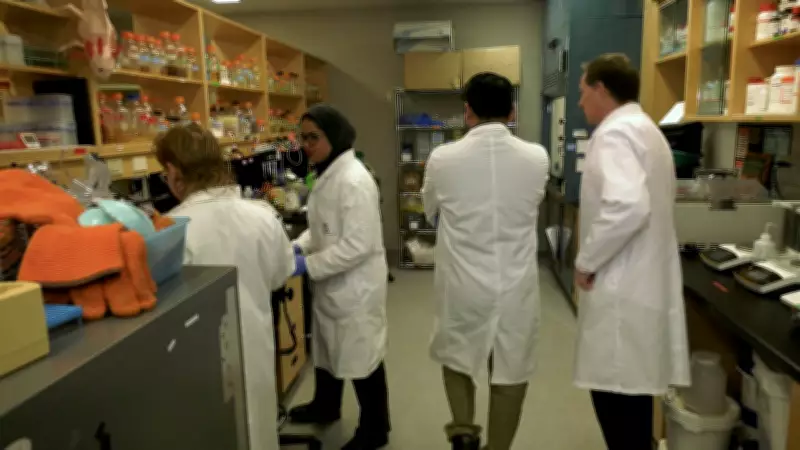
A groundbreaking research initiative at Western University is exploring the untapped potential of algae, with findings that could revolutionize industries from nutrition to renewable energy. Led by Professor Bodumil Karas, the team is delving into the genetic coding of diatoms, a type of microalgae, to uncover applications that extend far beyond traditional uses.
Genetic Insights into Diatoms
The study focuses on the intricate genetic makeup of diatoms, which are known for their silica-based cell walls and photosynthetic capabilities. By analyzing their DNA, researchers aim to identify genes that could enhance the production of valuable compounds, such as vitamins and lipids suitable for biofuel. This genetic approach allows for precise modifications that could boost efficiency and yield in commercial applications.
Professor Karas emphasized the significance of this work, stating, "Our research opens new avenues for sustainable solutions. Algae have long been overlooked, but their genetic diversity holds keys to addressing global challenges like malnutrition and energy security."

From Vitamins to Renewable Energy
The potential uses identified by the team are diverse. In the realm of nutrition, diatoms could be engineered to produce high levels of essential vitamins, offering a natural supplement source that is both eco-friendly and cost-effective. Concurrently, their lipid content makes them a promising candidate for biofuel production, providing a renewable alternative to fossil fuels that reduces carbon emissions.
This dual focus highlights the versatility of algae, positioning it as a multi-purpose resource in the push toward greener technologies. The research aligns with global efforts to combat climate change and improve public health through innovative biological solutions.
Implications for Future Applications
As the study progresses, the implications could extend to various sectors:
- Agricultural Enhancements: Algae-based supplements could improve crop yields and livestock health.
- Industrial Scaling: Biofuel production from algae might offer a scalable, sustainable energy source.
- Medical Advances: Genetic insights could lead to new pharmaceuticals or therapeutic agents derived from algae compounds.
The Western University team's work underscores the importance of interdisciplinary research in unlocking nature's potential. By bridging genetics, environmental science, and technology, they are paving the way for a future where algae play a central role in sustainable development.